
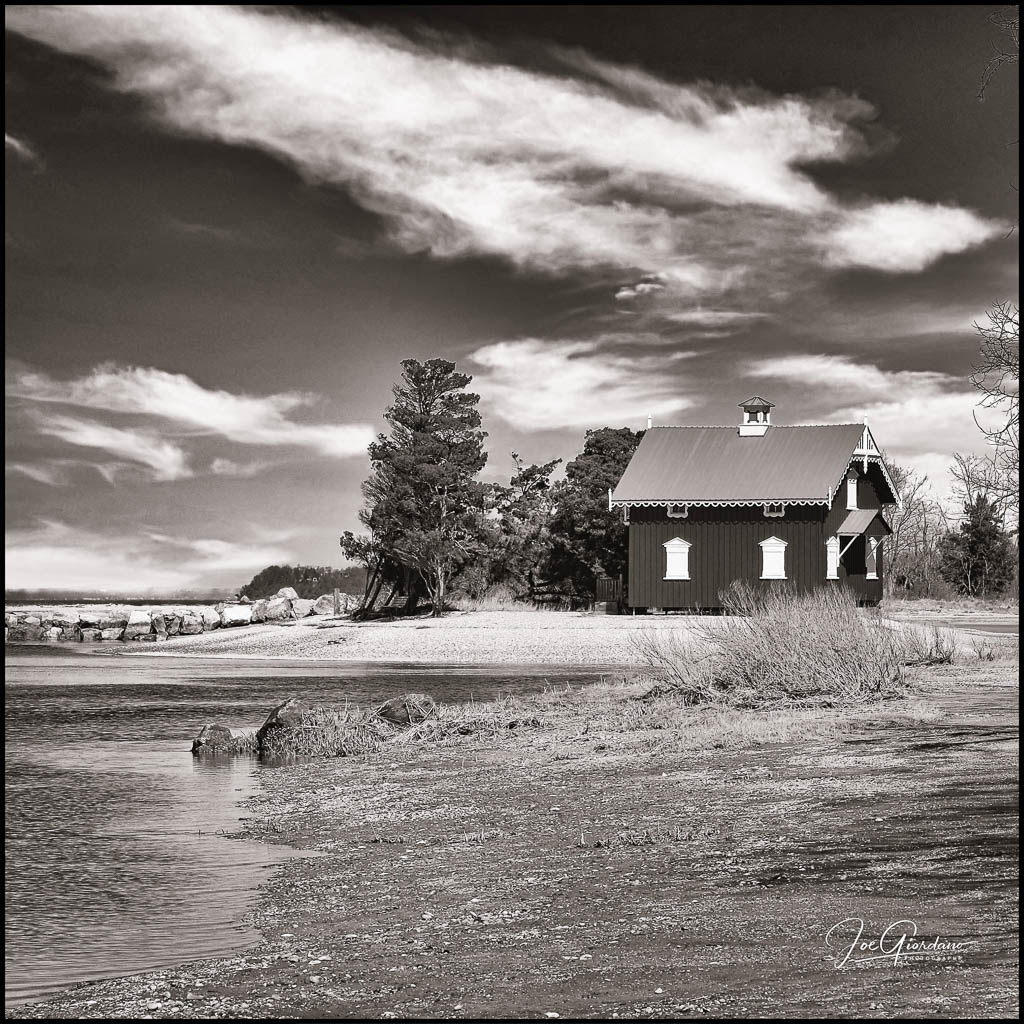
 Image was taken with a Fujifilm X-E5 and XF 16-50mm WR lens.
Photography
George Peabody Library
Alakajay, Black And White Photography, Photography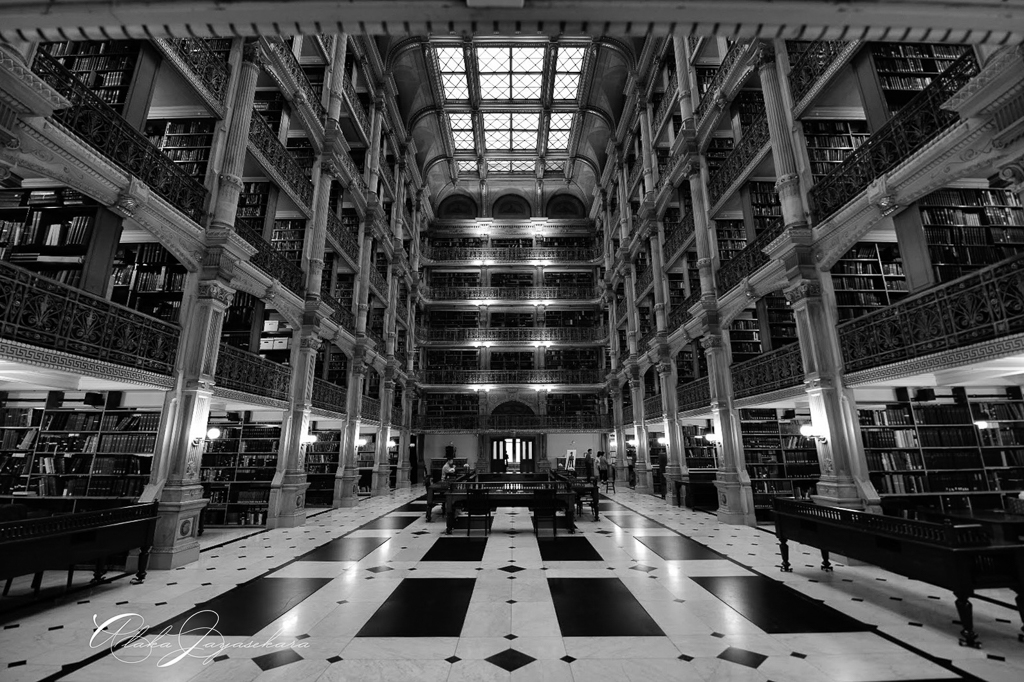 Baltimore, Maryland
The Last Visitor
Black And White Photography, Petter, Photography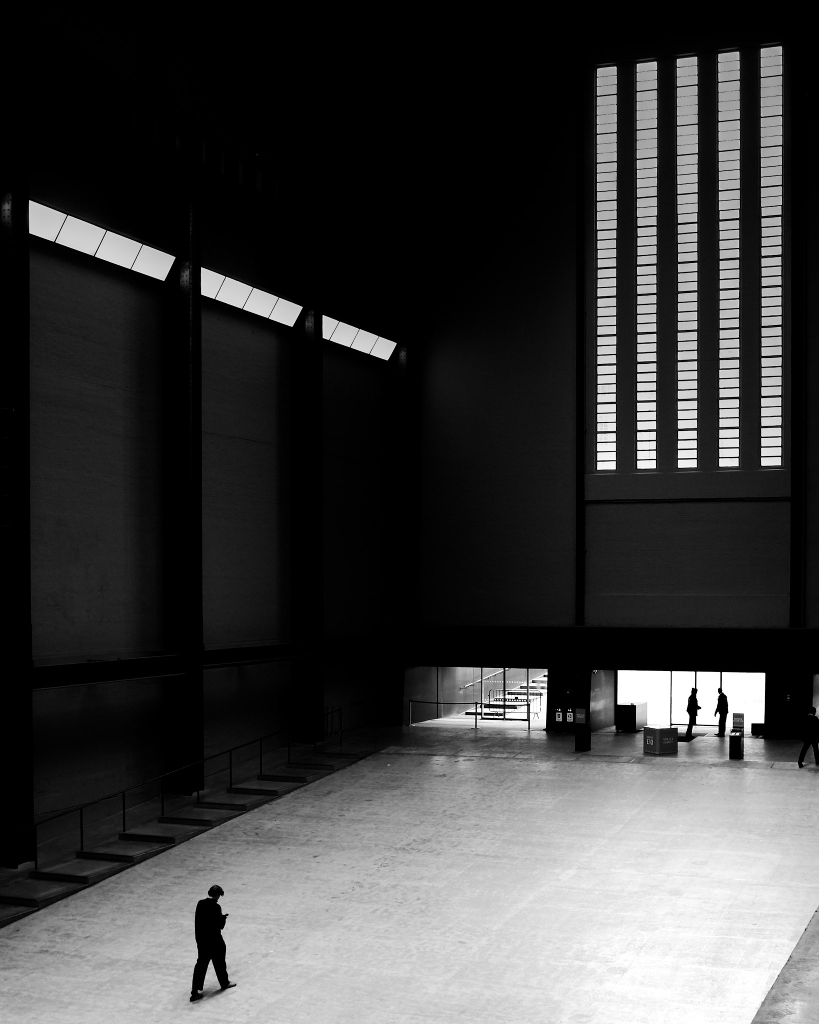
London, The UK
Mehikoorma tuletorn
Alena, Black And White Photography, Photography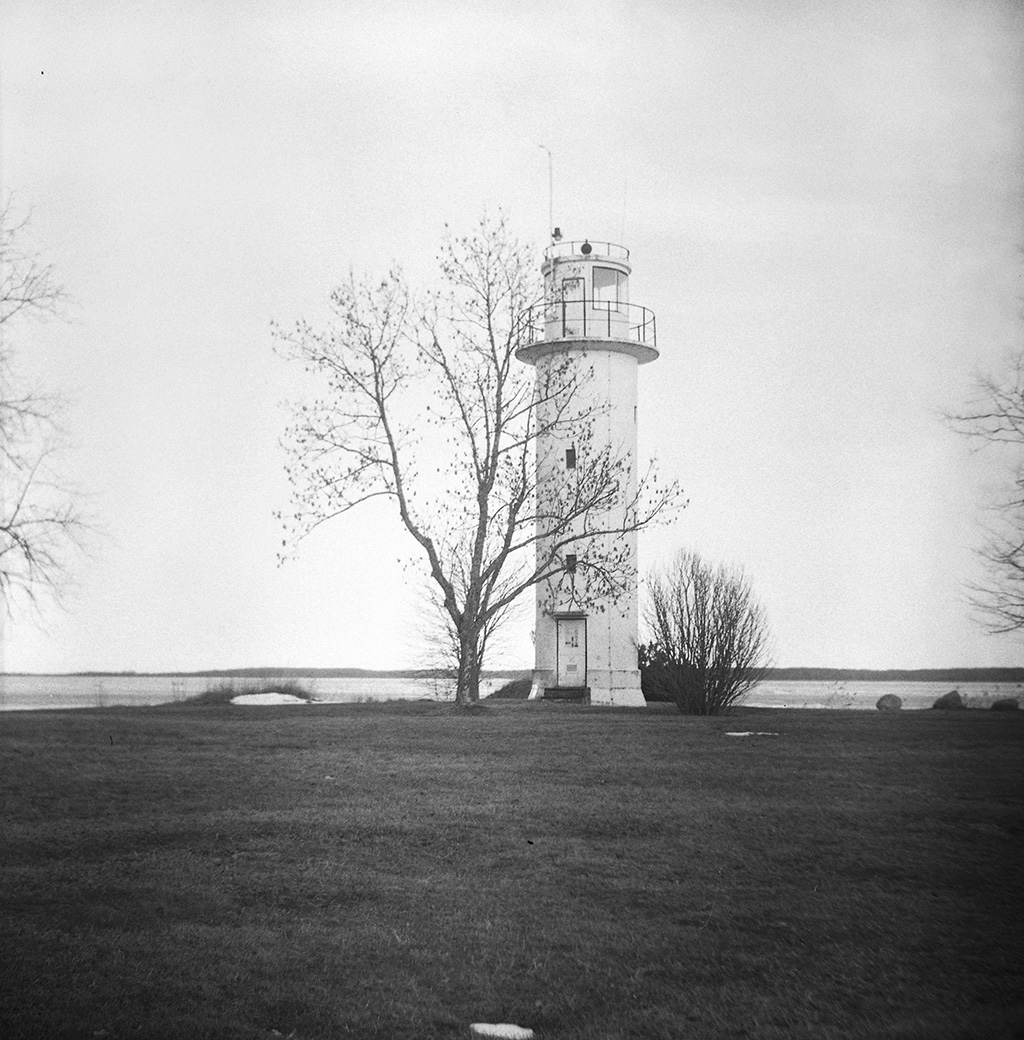
Low tide
Black And White Photography, Charly, Photography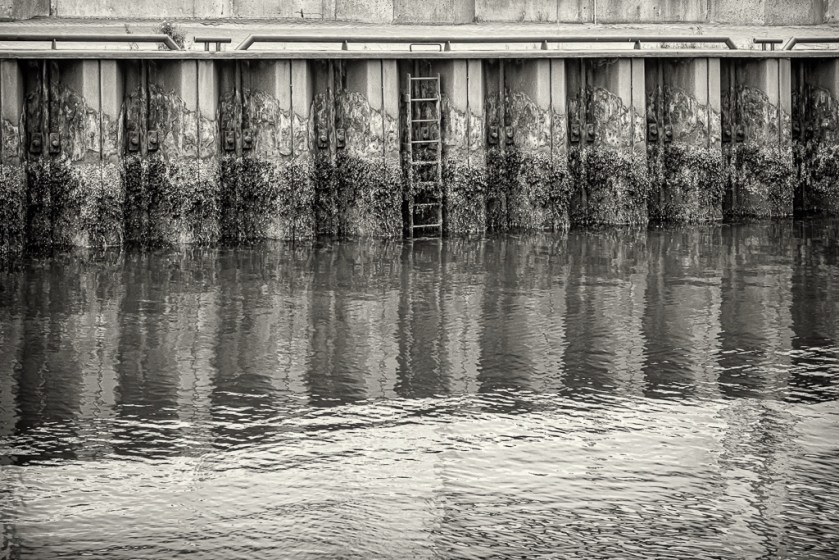
You can see my blog at Charly Senall
Lent Carnival reveller
Black And White Photography, Pavel, Photography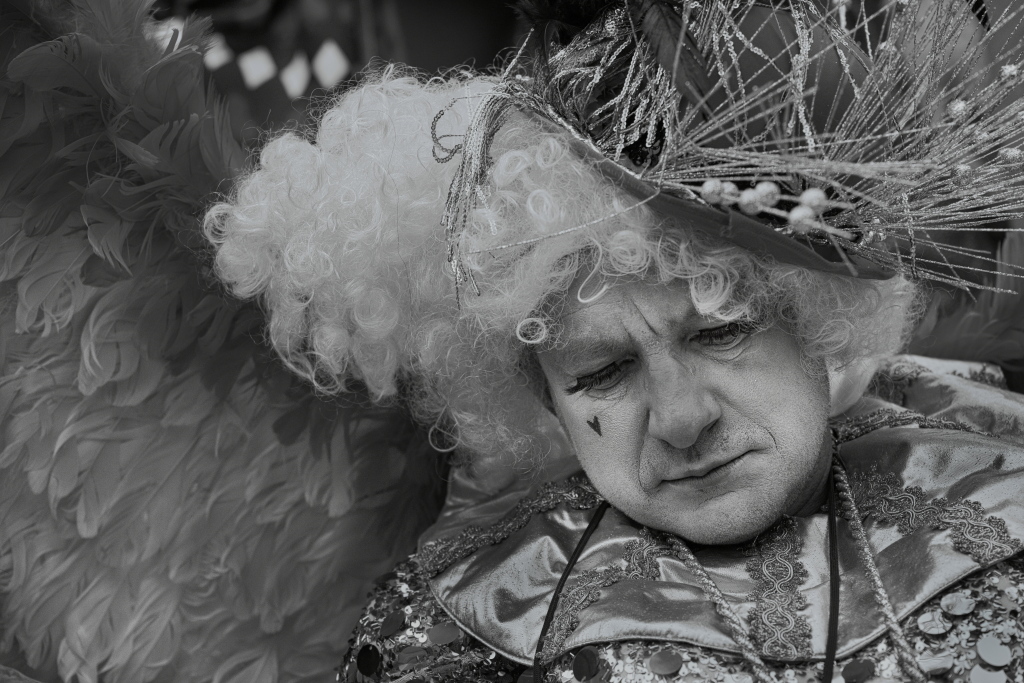
Ponte Rotto
Black And White Photography, Luminis Imago, Photography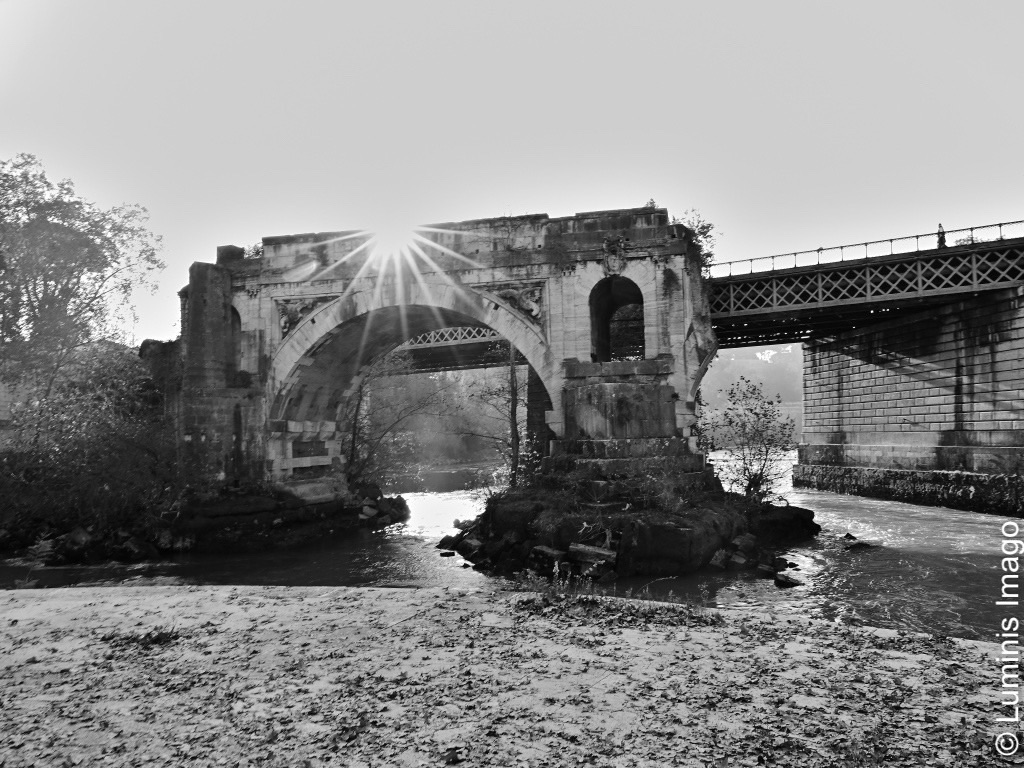
On clear winter mornings, the sun rises over the ruins of the ancient bridge, reminding us that it once connected not just two shores but the two worlds of mortals and gods… more on Luminis Imago
Tórshavn Antique Fishing Boat
Black And White Photography, C.S. Young Jr., Photography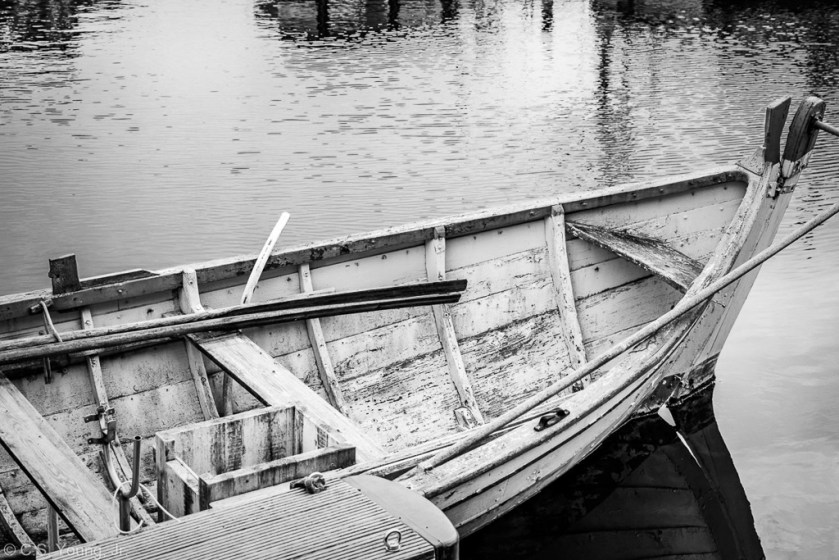
One of the many antique fishing boats in the Tórshavn harbor. Tórshavn is the capital of the Faroe Islands, and archipelago in the North Atlantic between Iceland and Norway.
Cheers,
C. S.
The Oslo Caledonian Pipeband
Black And White Photography, David, Photography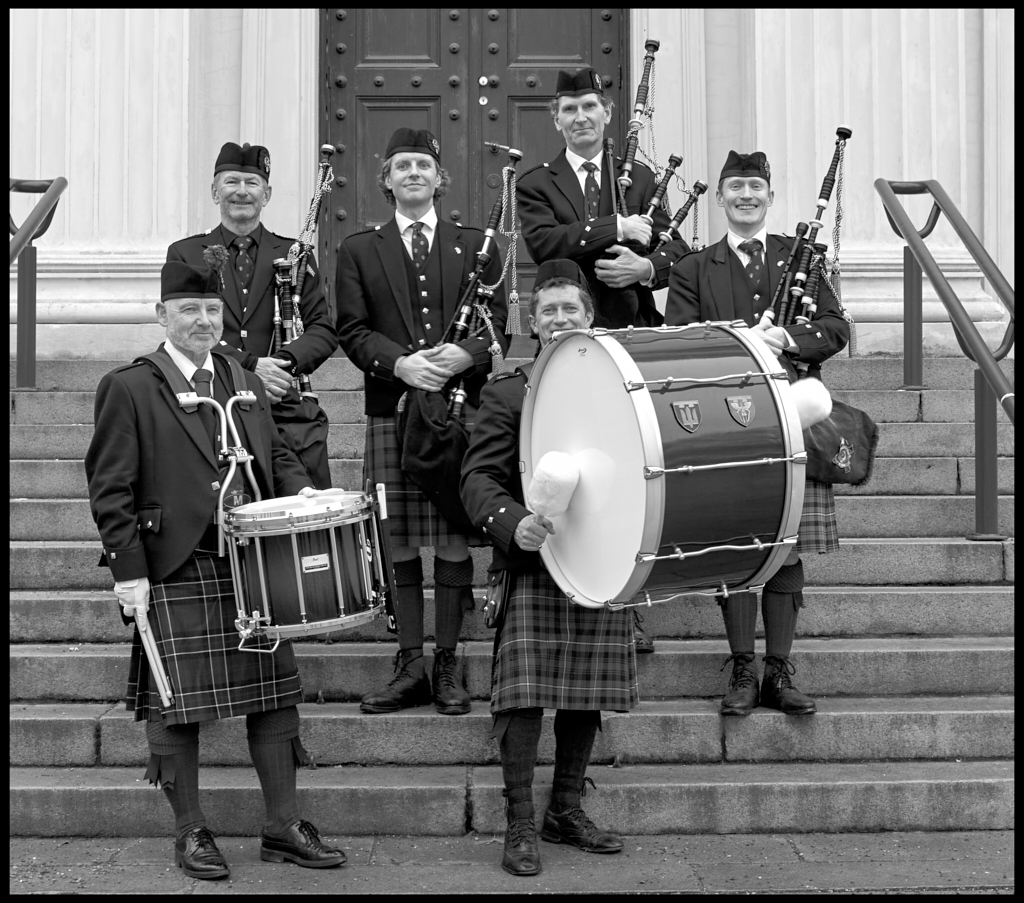
Meet some of the guys from the band. They blew up a storm on this past weekends St.Patricks day parade.
Leica M9P
Leica Summilux 35mm f/1.4 ASPH
PP. Capture One. frame in PS.
Room for a Family
Black And White Photography, Laurie, Mobile Photography, Photography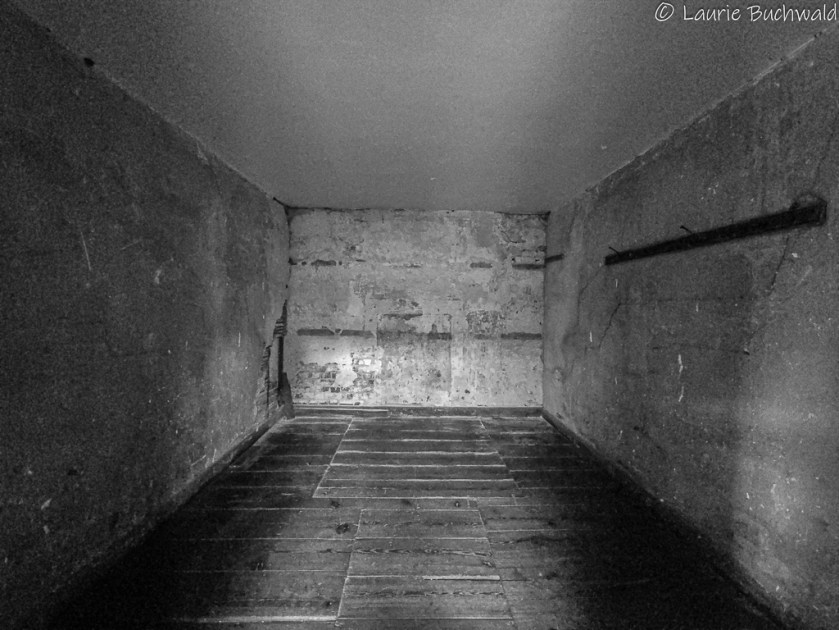
In my previous two posts, Hallway for the Enslaved and Where They Worked and Lived I told of visiting the Aiken-Rhett House in Charleston. Purchased by the Historic Charleston Foundation in 1975, the house is being “preserved as found” and represents a stark example of the wealthy vs the urban enslaved, c 1820s.
This image is of a windowless room that housed an entire family.
From the website we learn that “while many dependency buildings in Charleston have been demolished or adapted, the Aiken-Rhett House’s kitchen, laundry and quarters – with their original paint, floors and fixtures – survive virtually untouched since the 1850s, allowing visitors the unique chance to better comprehend the every-day realities of the enslaved Africans who lived on-site, maintained the household and catered to the needs of the Aiken family and their guests”.
 Monochromia
You must be logged in to post a comment.