
A youth enjoying the weather and street traffic along Haga Nygata in the Haga District of Gothenburg, Sweden

A youth enjoying the weather and street traffic along Haga Nygata in the Haga District of Gothenburg, Sweden
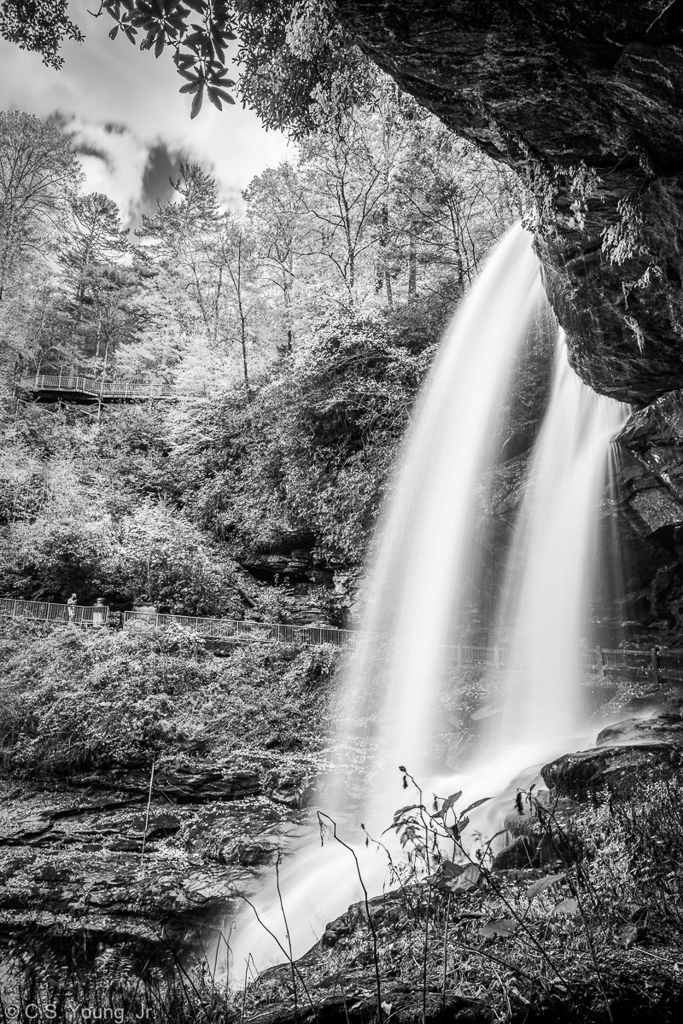
This week I completed a five-day expedition in western North Carolina to photograph waterfalls and fall foliage. This post features Dry Falls near Highlands, NC. Its name comes from the ability for visitors to walk behind the waterfall, though the waterfall mist will keep you constantly clearing your lens. Often fall foliage is equally impactful in monochrome!
Cheers,
C. S.
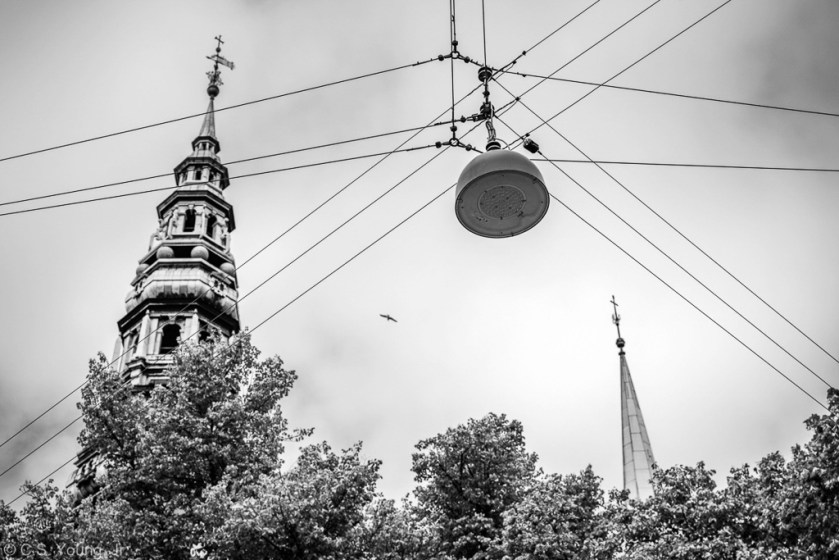
Street light and rigging composition taken in Nikolaj Square, Copenhagen, with the former St. Nicholas Church, current day Nikolaj Kunsthal art gallery in the background.
Cheers,
C. S.
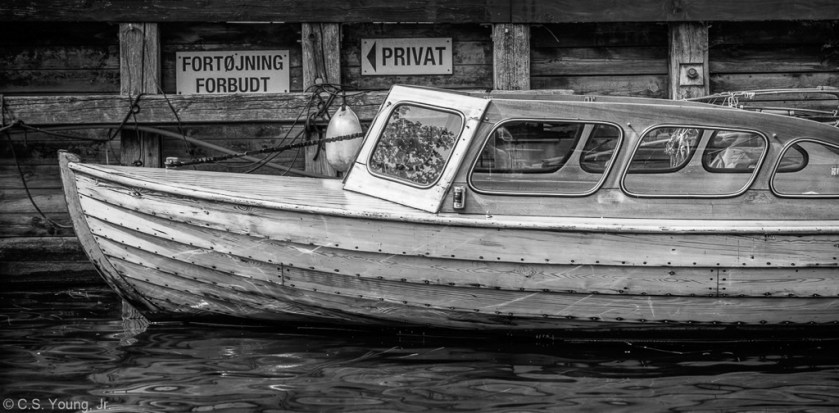
Antique wooden boat in the Christianshavns Kanal (Canal) in Copenhagen, Denmark, along Overgaden Neden Vande St.
Cheers,
C. S.
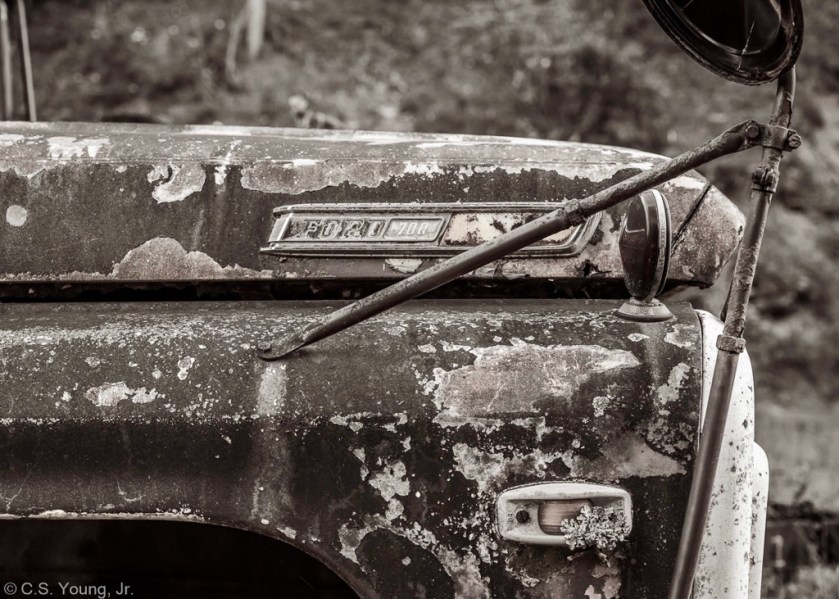
Found this antique Ford F700 school bus decaying in Ashe County, North Carolina near the city of Lansing. For the best viewing experience, click to view a high resolution version.
Cheers,
C. S.
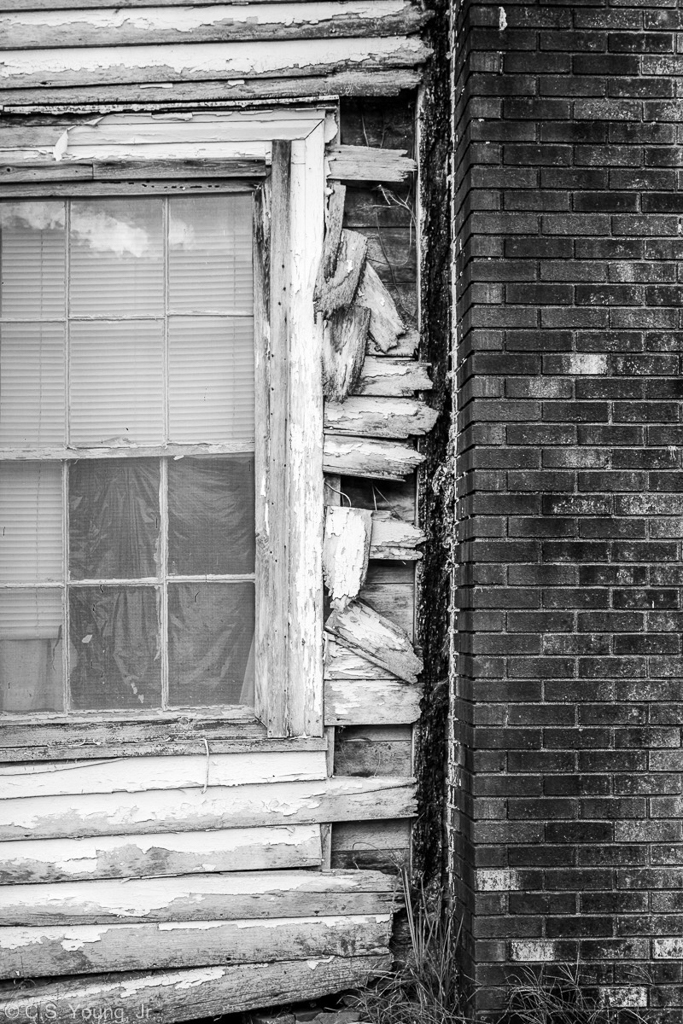
Abandoned house vignette on Hwy 88 in Creston, NC, Ashe County.
Cheers,
C. S.
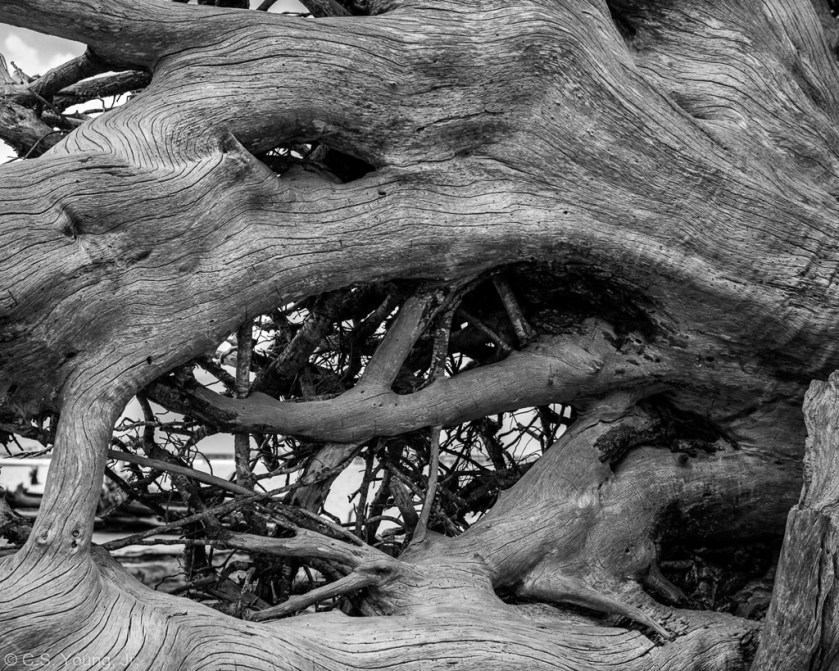
More here and to come from this wonderful find on the northeast Florida coast, just north of Jacksonville.
Cheers,
C. S.
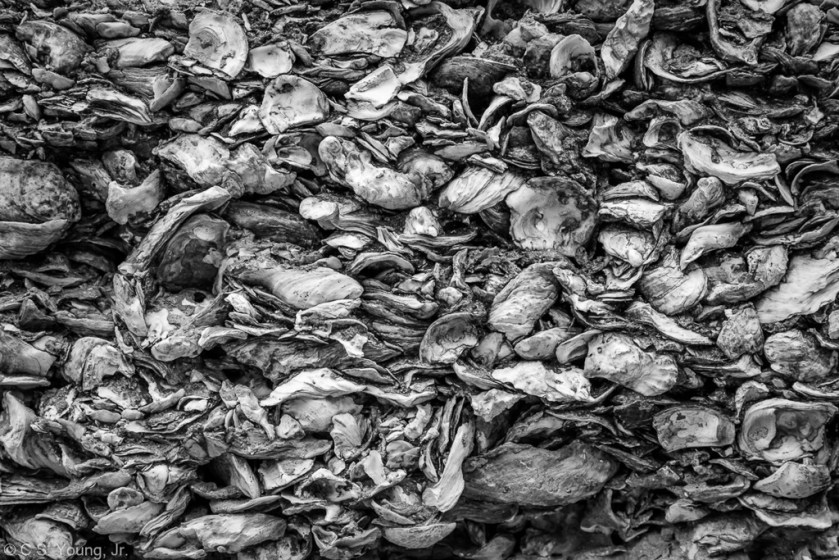
Coquina is a sedimentary rock composed mostly of seashell material which becomes cemented over time. I found this sample serving as a wall on St George Street in St Augustine, Florida. My post last week featured the Castillo de San Marcos fort, which was originally constructed out of coquina.
Fort builders favored conquina stonework because of its ability to absorb cannonball impacts. In fact, often an embedded cannonball was recovered and then fired back at attacking forces. For the best viewing experience, click to view a high-resolution version.
Cheers,
C. S.
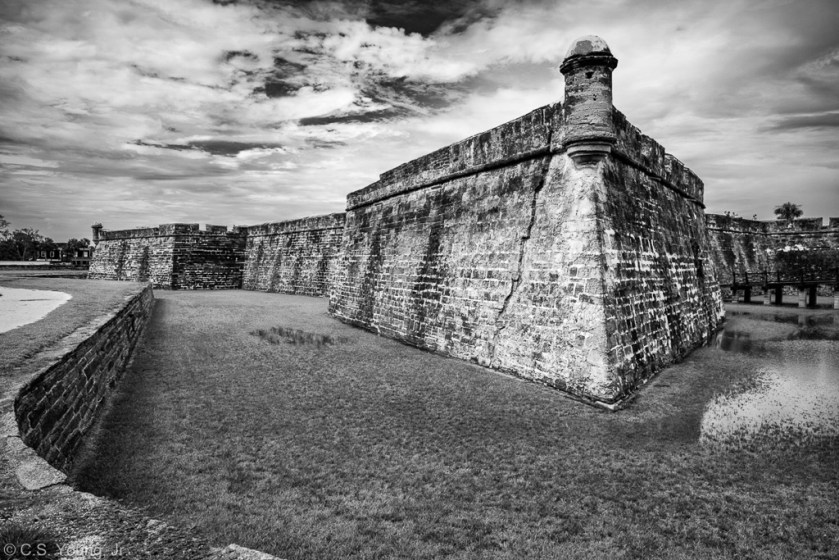
Castillo de San Marcos in St Augustine, Florida is the oldest masonry fort in the continental United States. Construction started in 1672 to replace the previous wooden fort after raids by English privateers in 1668, when Florida was part of the Spanish Empire. The photo shows the west side of the fort and moat, the east side sits on the Matanzas Bay waterfront.
For the best viewing experience, click to view a high resolution version.
Cheers,
C. S.
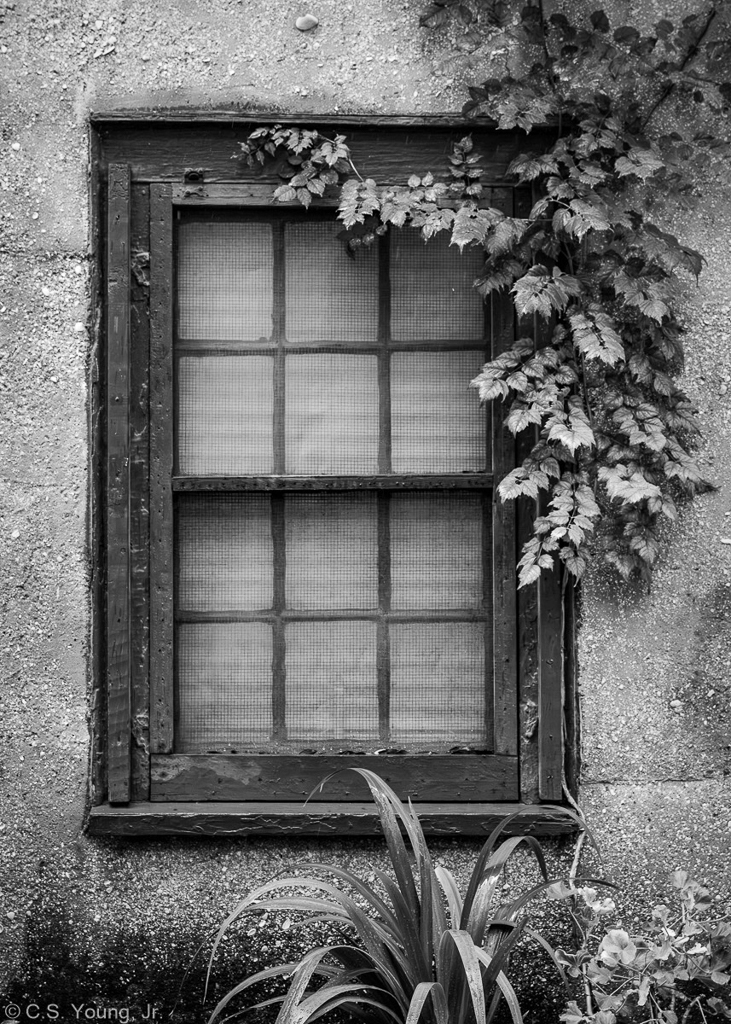
Found this cool window vignette walking along Spanish St in St Augustine on a rainy afternoon.
Cheers!
C. S.


You must be logged in to post a comment.