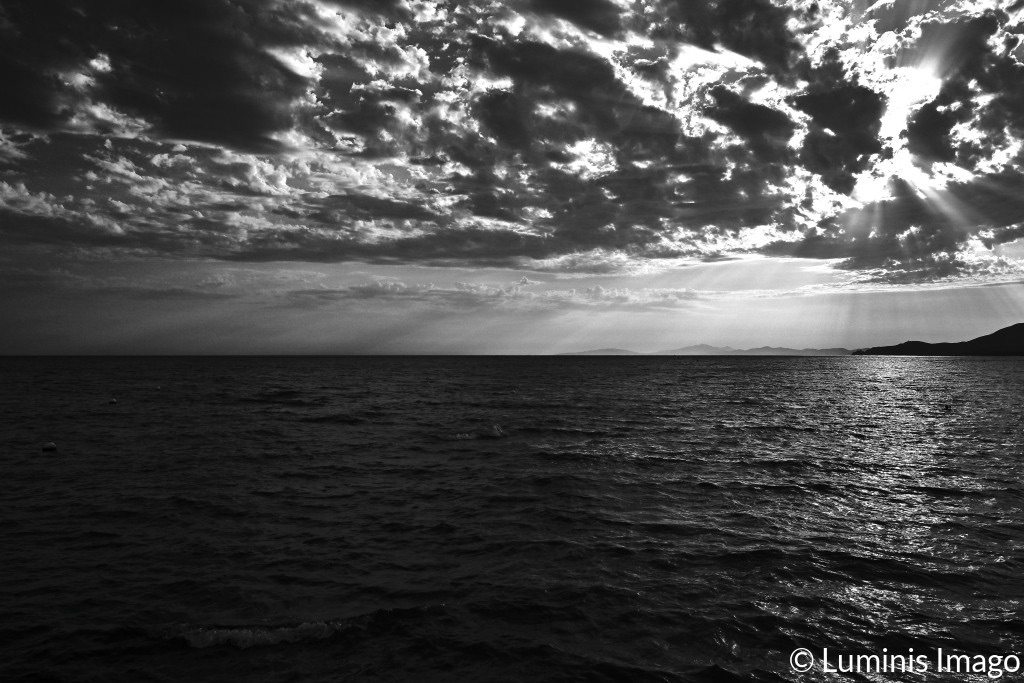
The image is taken from a sequence of black and white photographs on Mediterraneum as a space and time where natural and human signs suggest an invisible beyond apparent forms.
View here the complete sequence.

The image is taken from a sequence of black and white photographs on Mediterraneum as a space and time where natural and human signs suggest an invisible beyond apparent forms.
View here the complete sequence.
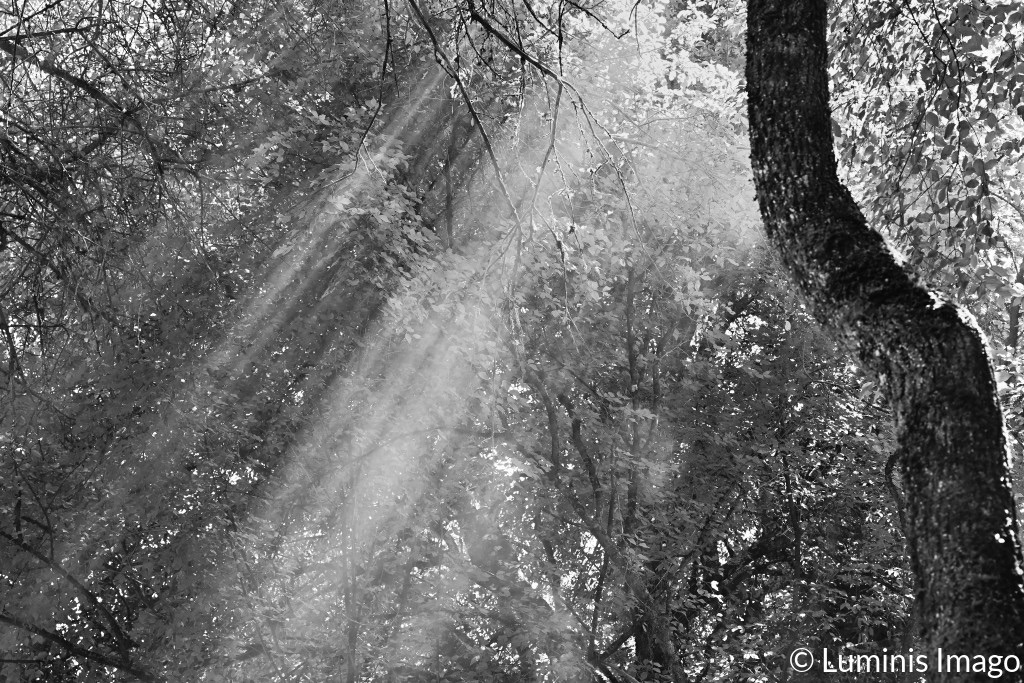
View my ongoing project Light and Shadow of the Wood.

My wife and daughter while sailing across the Mediterranean Sea. Filling the frame and my life’s horizon too.
More of my black and white photographs are on Luminis Imago Blog
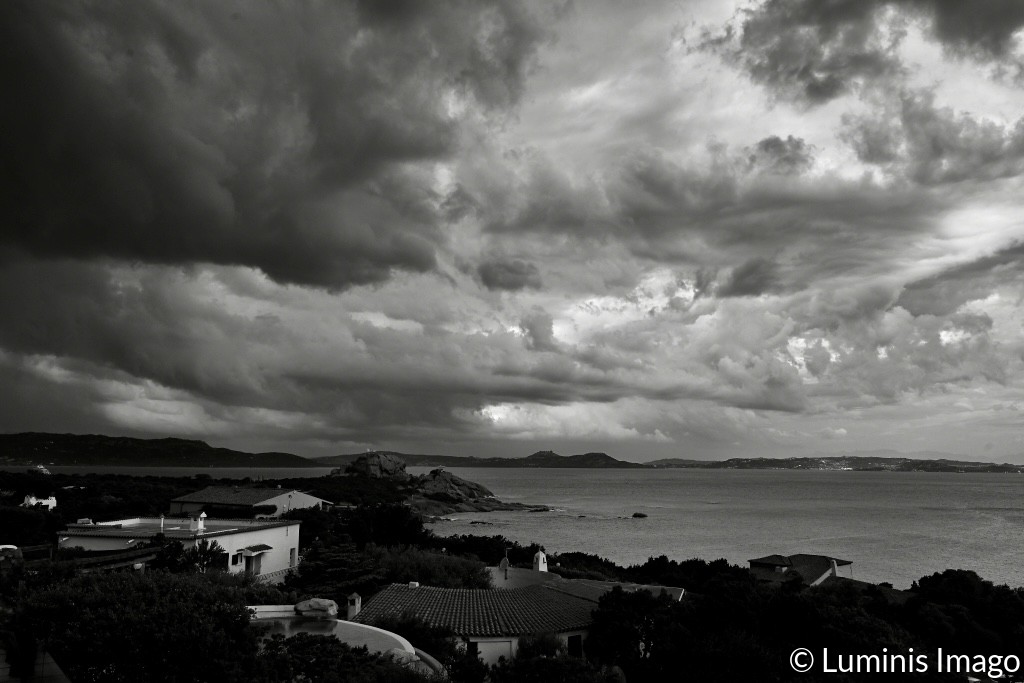
More landscapes on luminisimago.blog
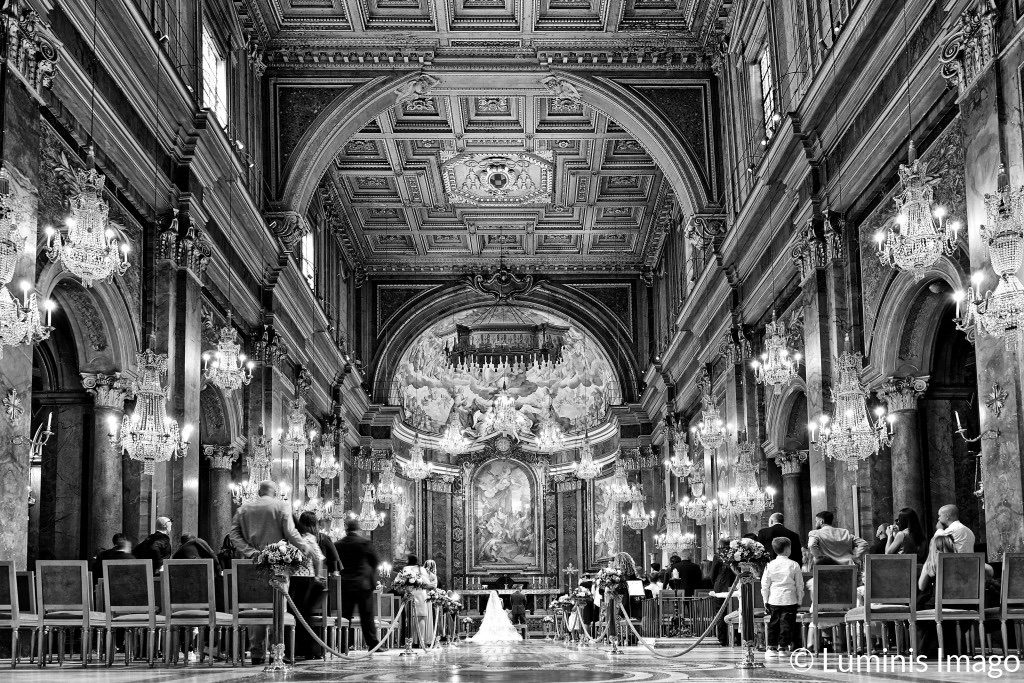
This Basilica in Rome is often chosen by couples as the setting for their weddings, and only on such occasions are its beautiful chandeliers turned on. I seized the opportunity to capture the moment when a new story is about to begin under the glow of an old one.
Technically, the image is an HDR processed from of a series of bracketed exposures, which widen the tonal range of the picture. Other images of this kind can be viewed on a dedicated page on my blogsite.
On that page, those interested can find, alongside the photographs, some personal thoughts on the ephemerality of contemporary imagery compared to the enduring legacy of past icons.
I hope you enjoy the gallery!
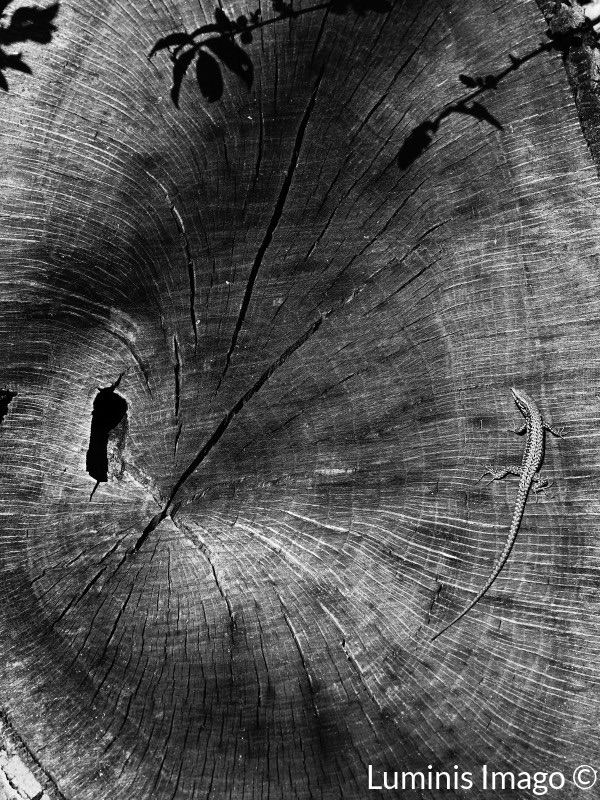
This image belongs to a photographic project aimed at featuring a perception of Nature as the eternal cycle of springing, decaying, and returning to the roots of the Earth. The images are accompanied by quotes from the ancient Latin author Plinius Senior, who, in his Historia Naturalis, praised Mother Earth (Terra Mater) for giving us life and nurturing, accepting our diseases, and finally giving us a safe shelter and staying with us forever.
Other images of the project can be viewed on the dedicated page in my own blog.
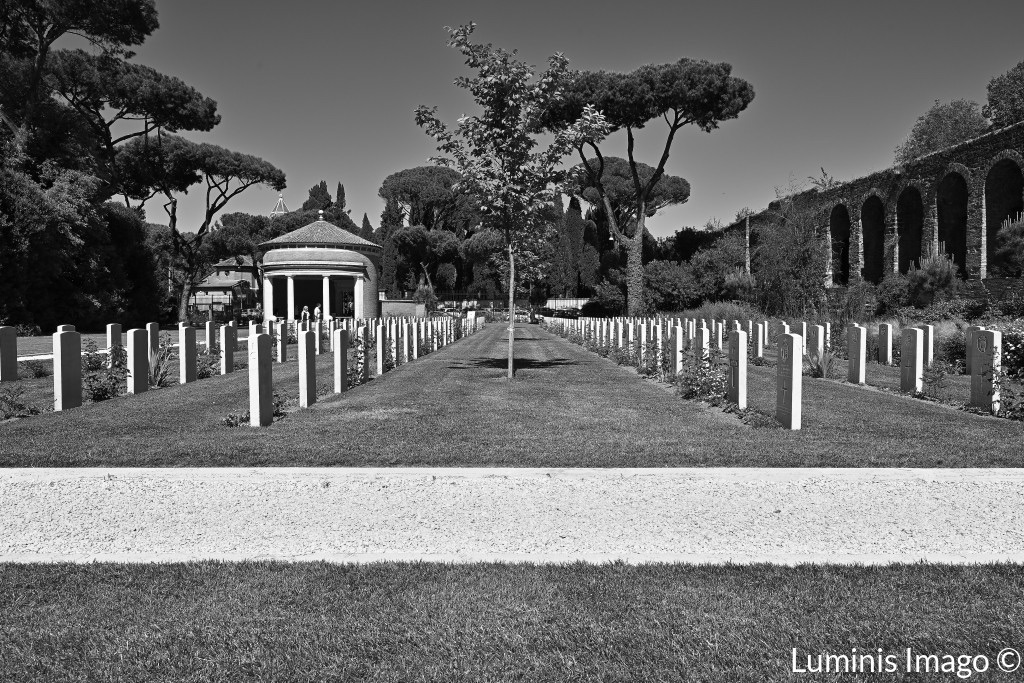
The War Cemetery lies alongside the ancient Aurelian Walls near Porta San Paolo, a place where fighting took place between the Allies and the German occupiers during the Second World War. It gives burials to 426 soldiers coming from various countries of the Commonwealth. Looking at the names and dates inscribed on the lapids, what hit me was how far they came from and how young they died: most of them just in their twenties…
April 25th is the day when Italy celebrates liberation from nazi-fascism, now in its 81st anniversary. On that day I visited the cemetery to pay homage to those young men who gave their lives for a country other than their own.
View my black and white photographs on Luminis Imago blog
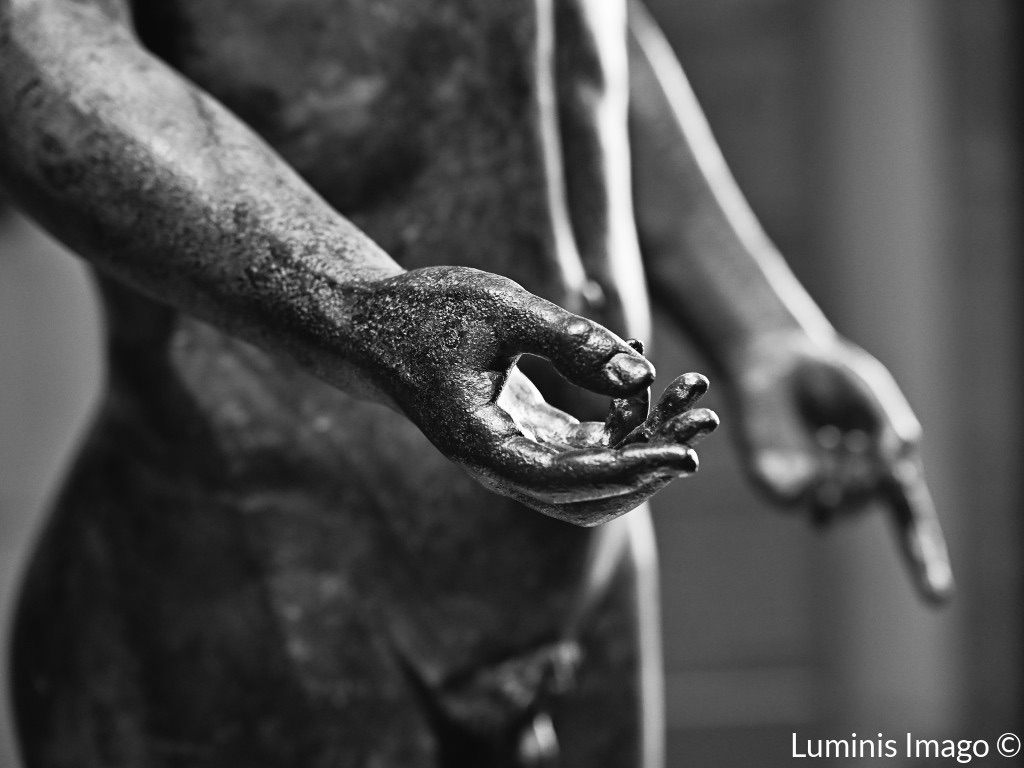
In an article published on my blog, I explore why the black-and-white visual language is still relevant for photography in the contemporary era. In the article, you will also find a review of the relevant literature and a selection of images from major Italian photographers of the last century. Feedback and comments are welcome!
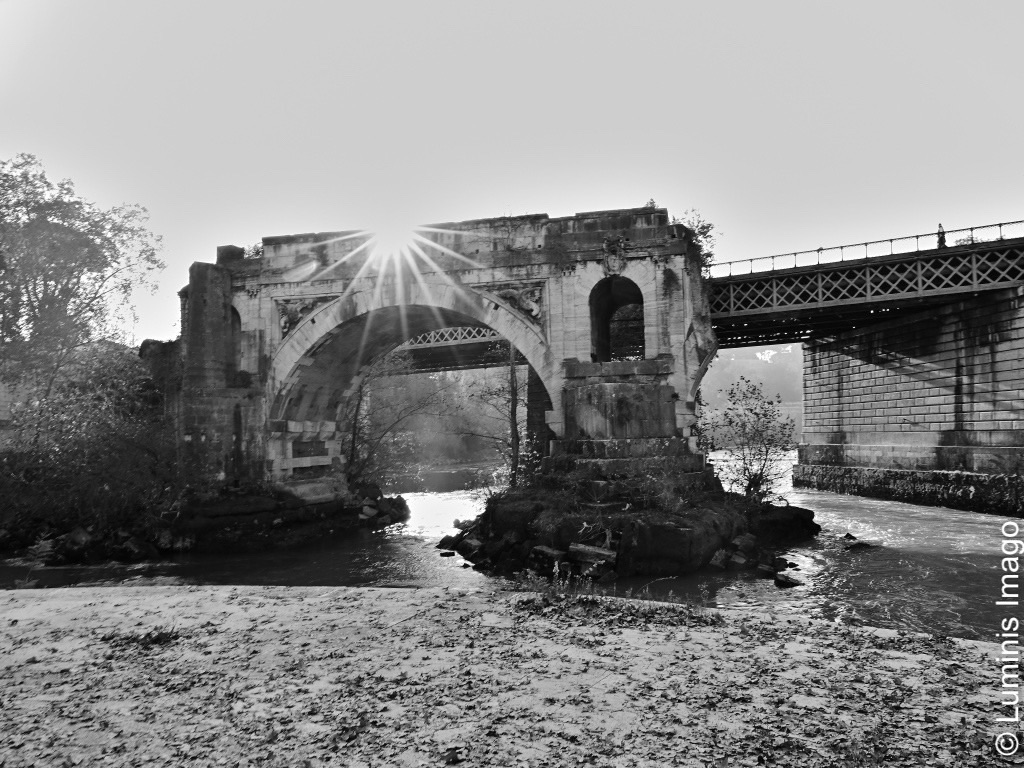
On clear winter mornings, the sun rises over the ruins of the ancient bridge, reminding us that it once connected not just two shores but the two worlds of mortals and gods… more on Luminis Imago
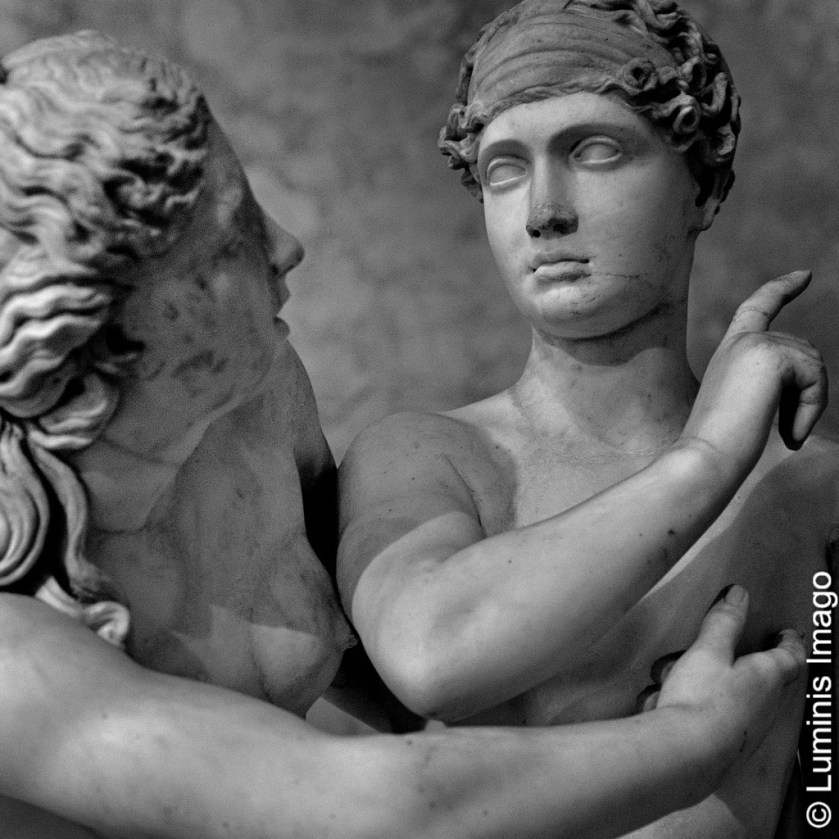
Eros and Psyche – Roma, 2025
The myth tells the story of a young princess, Psyche, secretly loved in the obscurity of the night by Eros, the son of Aphrodite. Intrigued by the true nature of her nocturnal lover, Psyche lights a lamp above his sleeping body. A drop of boiling oil wounds Eros, causing him to vanish instantly. The jealous Aphrodite condemns Psyche to death unless she overcomes a series of arduous trials, one of which is to ask Persephone, the goddess of the Underworld, for a potion of beauty. Curiosity about that potion leads Psyche to fall into a sleep as deep as death. Eventually, Zeus has mercy on the young Psyche and transforms her into a divinity, so that she can finally be reunited with her beloved Eros.
Love first appears to the young anima (this is the Greek word psyché) as an irresistible impulse toward beauty and pleasure. It is painful to learn that beauty is fleeting and that love is constantly at risk of loss due to the finiteness of the human condition. This rite of passage is necessary for love to rise to a higher level of self‑consciousness, where desire reconciles with vulnerability and mortality.
The monochrome language underlines the tension between beauty and fragility, desire and despair, blind passion and self-conscious love.
More ancient sculpture photographs can be seen in Luminis Imago – Melancholy of the Ancient World


You must be logged in to post a comment.