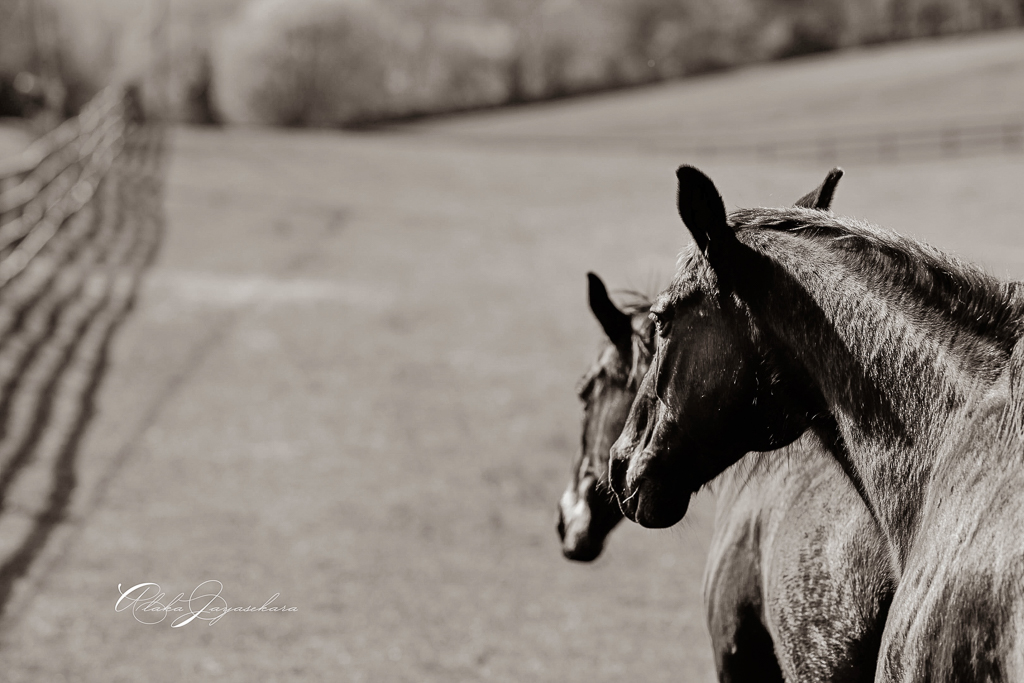
Shared Horizons
Alakajay, Black And White Photography, Photography

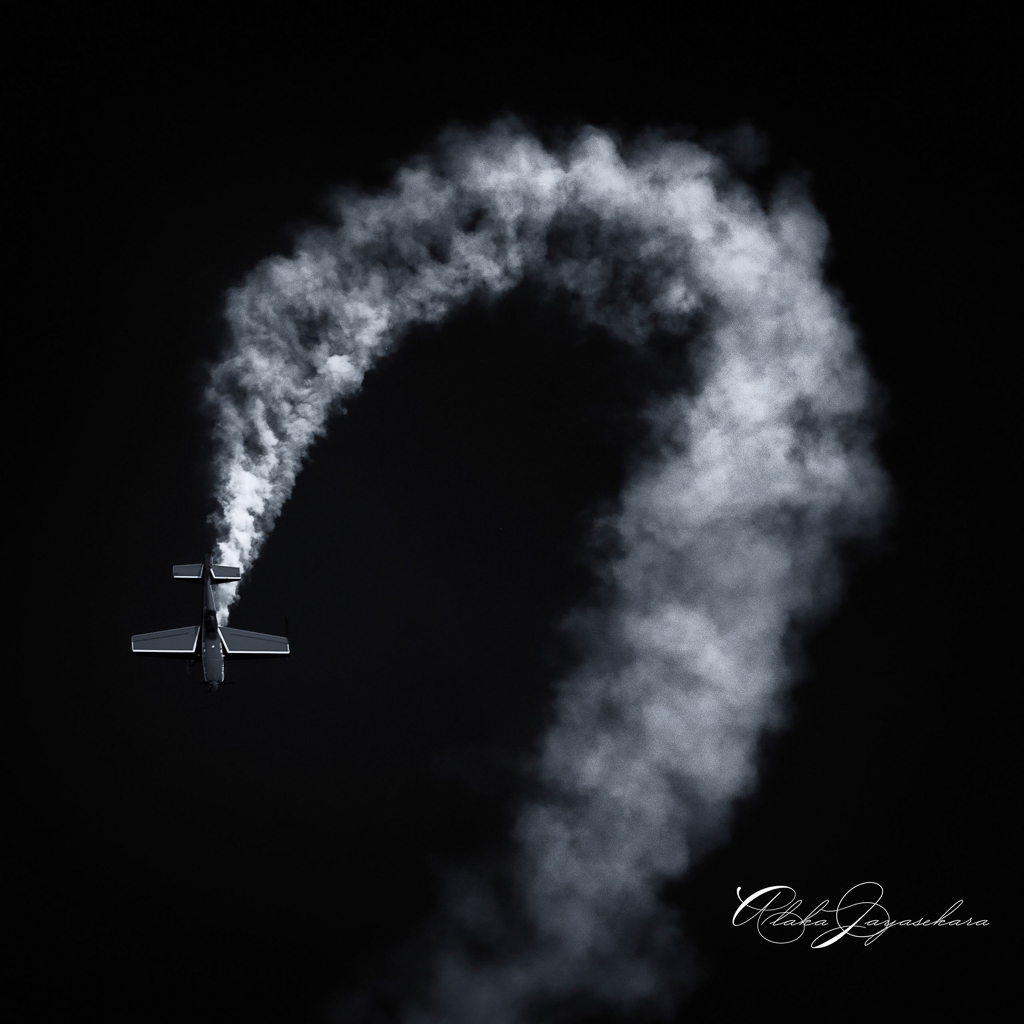 Captured at the Joint Base Andrews Air & Space Expo in Prince George’s County, Maryland (Sept 2022). In monochrome, the aircraft’s dynamic maneuver is stripped down to raw geometry and contrast – turning a momentary smoke plume into a lasting, sculpted arc against the dark void.
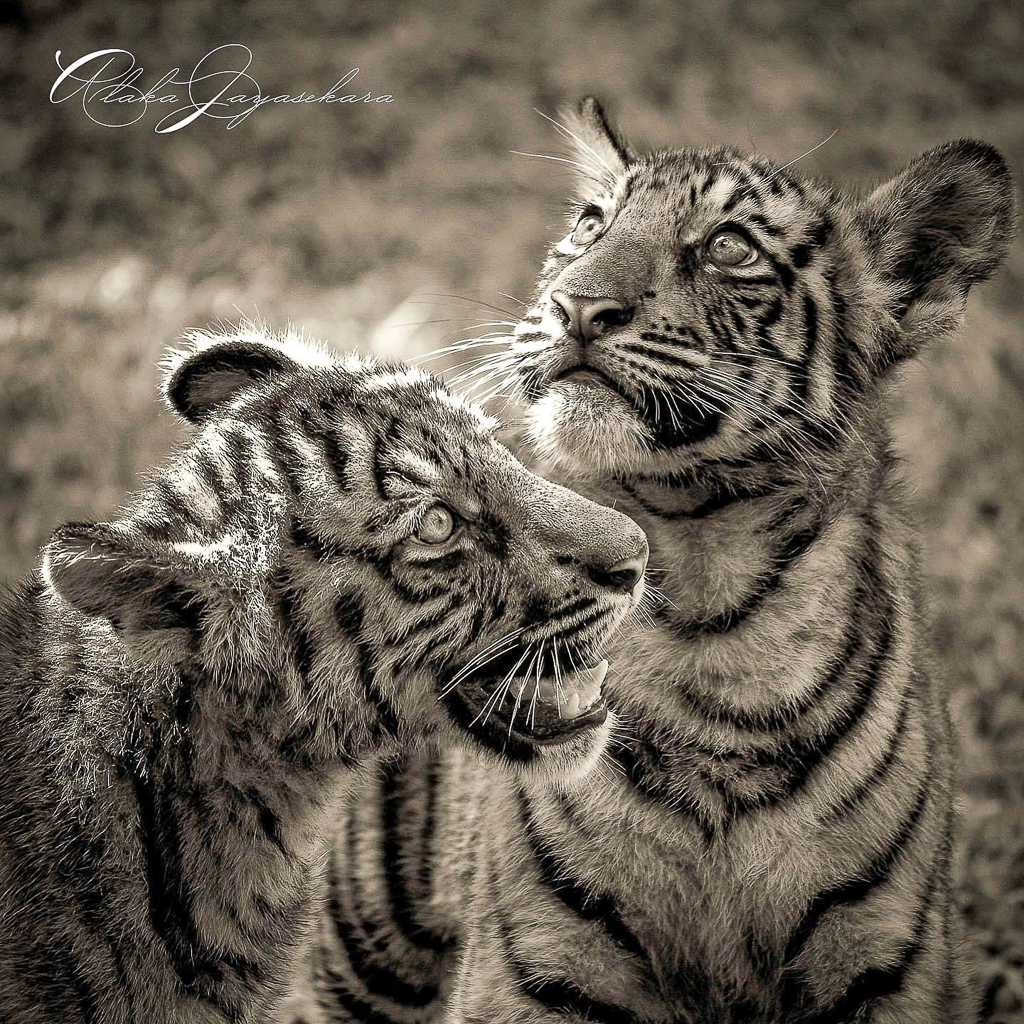
Captured some years ago at the Colombo Zoo in Sri Lanka, a quiet moment of shared curiosity between two tiger cubs. In the stillness of monochrome, every contour and delicate bristle comes to life, serving as a reminder of the wild grace found even in stillness.
Alaka Jayasekara (C)51632000644
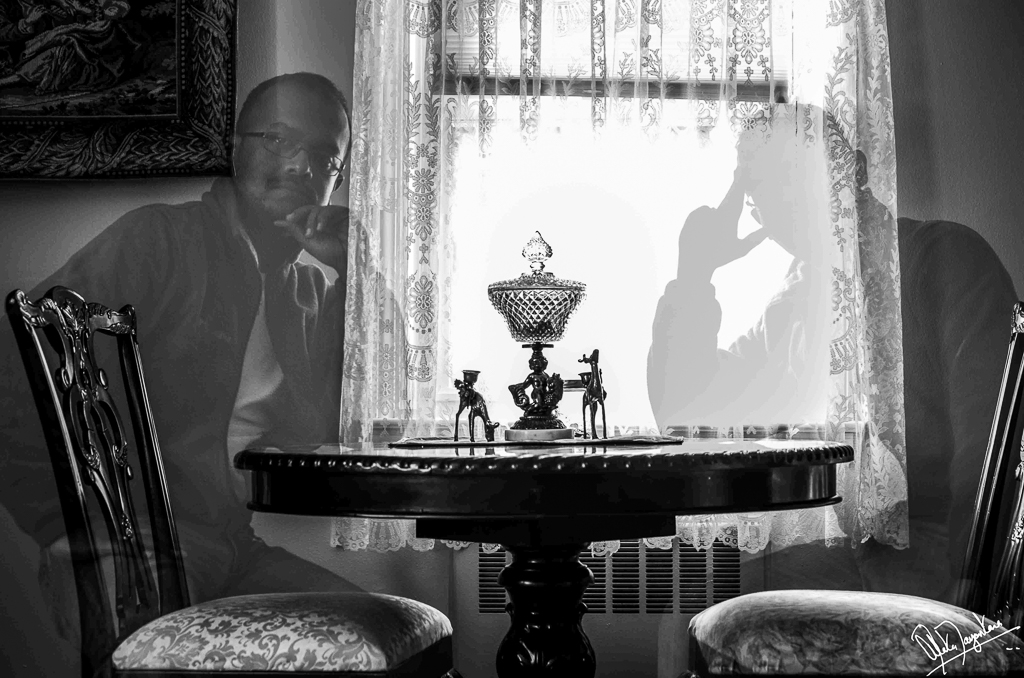
Looking back into the archives from over a decade ago during my time on Long Island, NY. This self-portrait double-exposure study was an exercise in exploring layered narratives, interior window light, and classic monochrome textures. It is always rewarding to revisit these early experiments and see where the journey began.
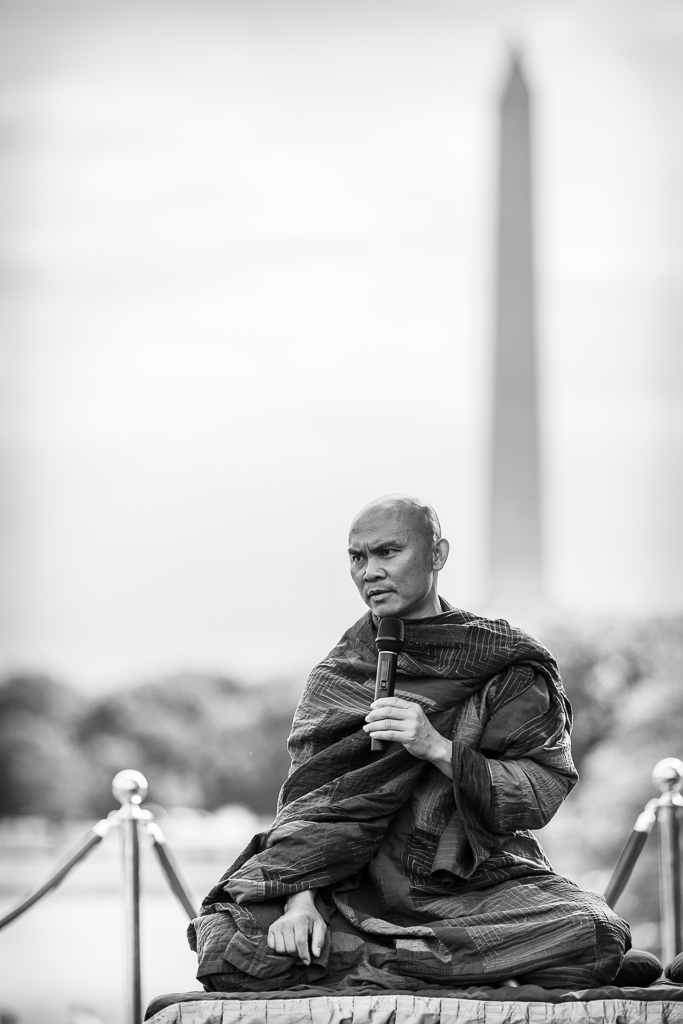
A quiet, monochrome moment captured during the “Meditate with a Monk” event at Constitution Gardens in Washington, D.C. Led by the Venerable Bhante Pannakara – who completed a transformative peace walk from Texas earlier this year – this recent session invited the public for a morning of mindfulness, reflection, and collective stillness. The Washington Monument stands as a solemn backdrop to this powerful gathering in the heart of the nation’s capital.
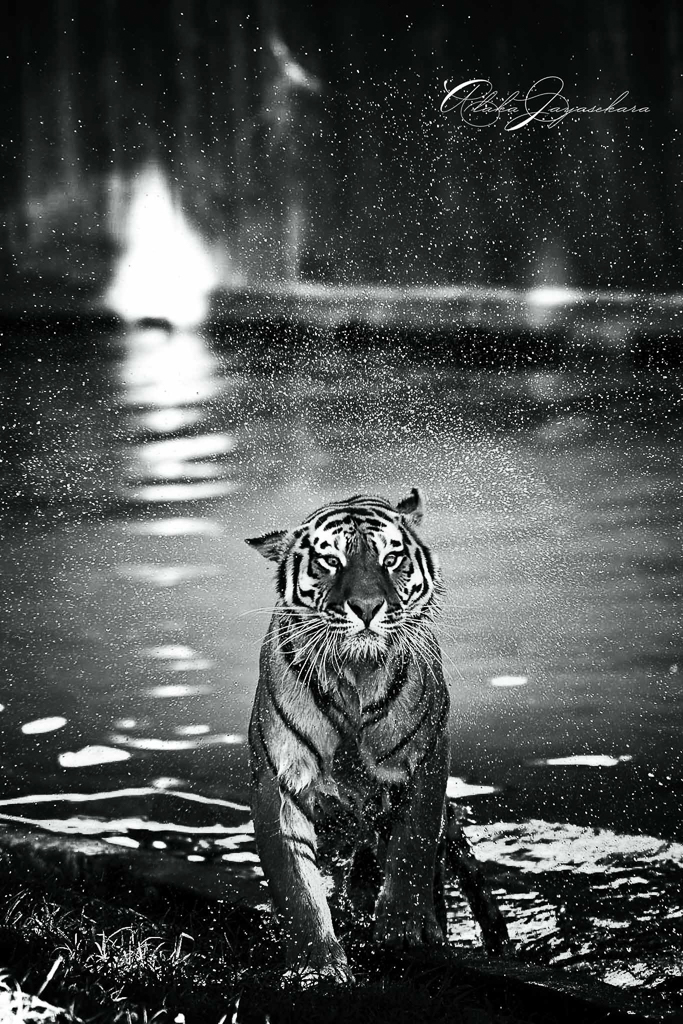 Labor Day morning at the Smithsonian National Zoo offered a quiet moment of focus amidst the holiday crowds. Stepping out of the pool, this tiger sent a halo of backlit spray into the air, turning a split second of motion into a striking study of contrast, texture, and force.
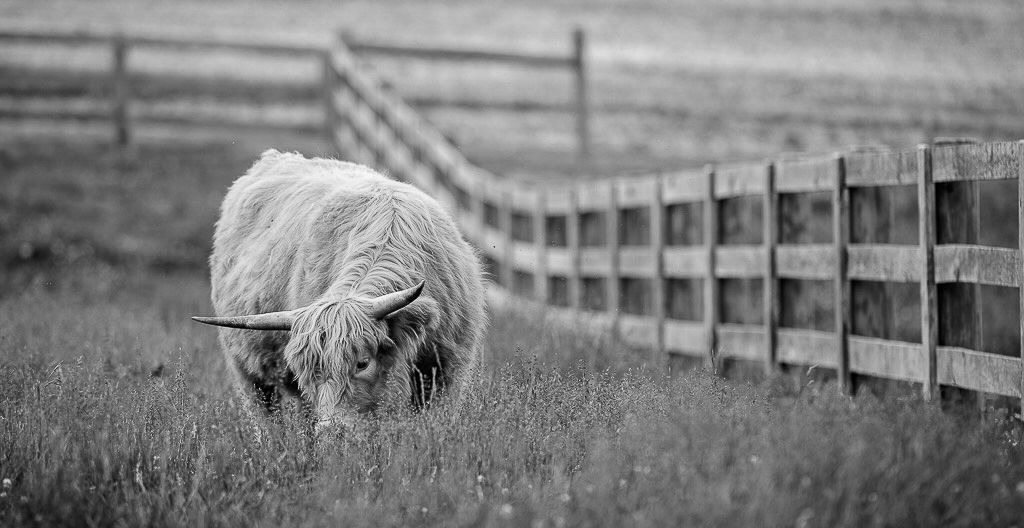 South Mountain Creamery, Middletown – Maryland.
 Tucked behind the Smithsonian Castle, the Moongate Garden offers a quiet play of light, water, and geometry. Captured in black and white, the crisp granite lines and dark reflecting pool anchor the frame beneath an expansive, cloud-streaked D.C. sky.
 Philadelphia, Pennsylvania


You must be logged in to post a comment.