Wave Action

Black And White Photography, Laurie, Mobile Photography, Photography

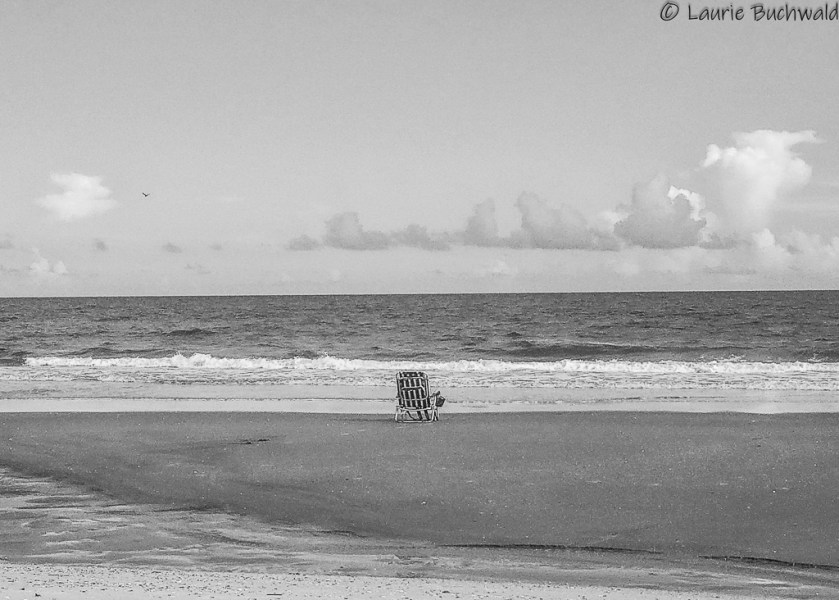
I’d not even been off the plane but a few minutes when I asked my friend to pull over so I could see the Gulf of Mexico up close. Then I saw the patterns in the sand from the waves. Oh how wonderful are the works of nature.

Going Nowhere

Black And White Photography, David Jensen, iPhoneography, Mobile Photography

This truck is done hauling and now rests in a lovely mountain town for the benefit of tourists.

More of my photography can be found on my website and my blog.

Room for a Family

Black And White Photography, Laurie, Mobile Photography, Photography

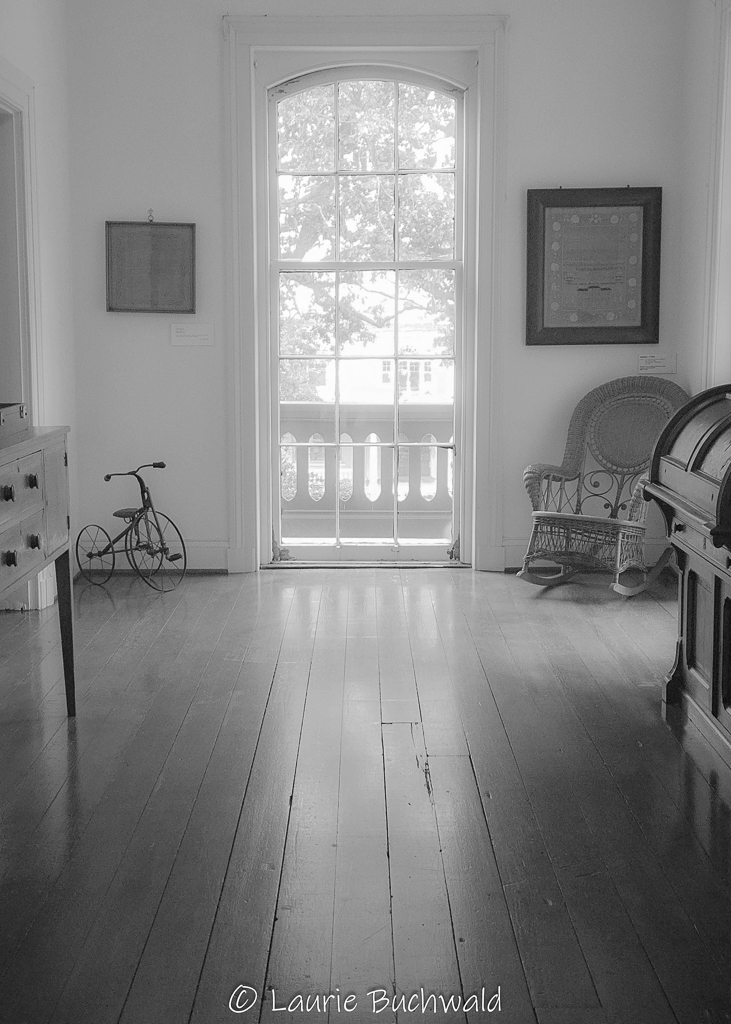
In my previous two posts, Hallway for the Enslaved and Where They Worked and Lived I told of visiting the Aiken-Rhett House in Charleston. Purchased by the Historic Charleston Foundation in 1975, the house is being “preserved as found” and represents a stark example of the wealthy vs the urban enslaved, c 1820s.

This image is of a windowless room that housed an entire family.

From the website we learn that “while many dependency buildings in Charleston have been demolished or adapted, the Aiken-Rhett House’s kitchen, laundry and quarters – with their original paint, floors and fixtures – survive virtually untouched since the 1850s, allowing visitors the unique chance to better comprehend the every-day realities of the enslaved Africans who lived on-site, maintained the household and catered to the needs of the Aiken family and their guests”.

Where They Worked and Lived

Black And White Photography, Laurie, Mobile Photography, Photography

In my previous post, Hallway for the Enslaved, I told of visiting the Aiken-Rhett House in Charleston. Purchased by the Historic Charleston Foundation in 1975, the house is being “preserved as found” and represents a stark example of the wealthy vs the urban enslaved, c 1820s.

From the website we learn that “while many dependency buildings in Charleston have been demolished or adapted, the Aiken-Rhett House’s kitchen, laundry and quarters – with their original paint, floors and fixtures – survive virtually untouched since the 1850s, allowing visitors the unique chance to better comprehend the every-day realities of the enslaved Africans who lived on-site, maintained the household and catered to the needs of the Aiken family and their guests”.