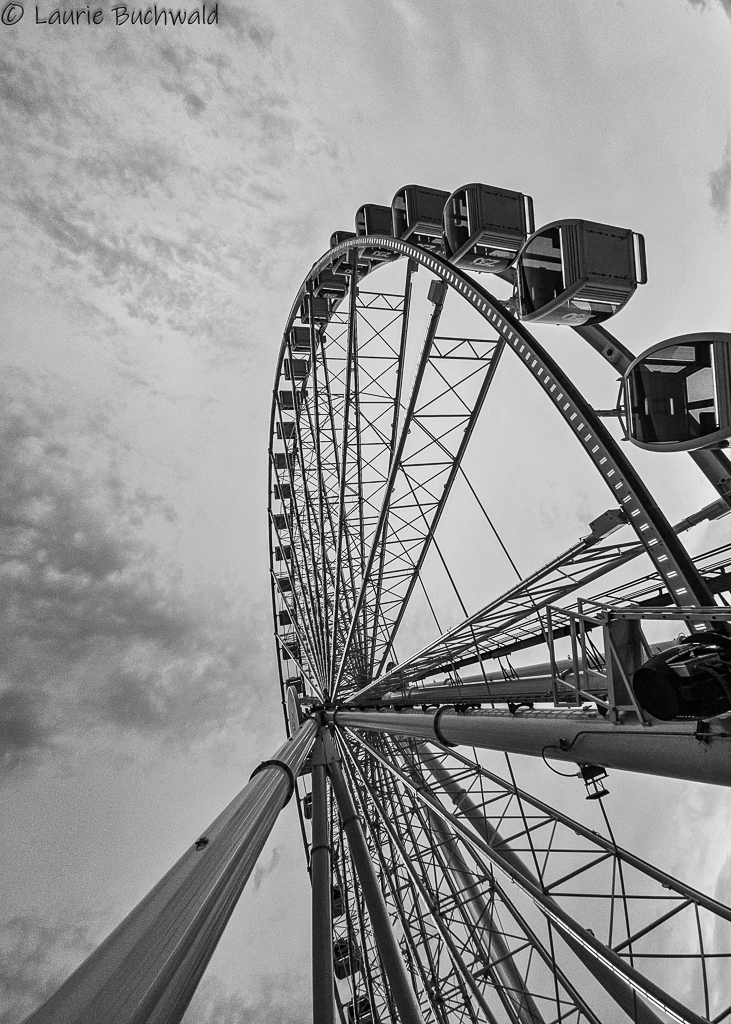
Can you ever go wrong with an image that contains line, shape and texture?

Captured outside the Como Park Conservatory in St. Paul, MN
iPhone 16 Pro
More of my photography can be found on my website and my blog.

Can you ever go wrong with an image that contains line, shape and texture?
Captured outside the Como Park Conservatory in St. Paul, MN
iPhone 16 Pro
More of my photography can be found on my website and my blog.
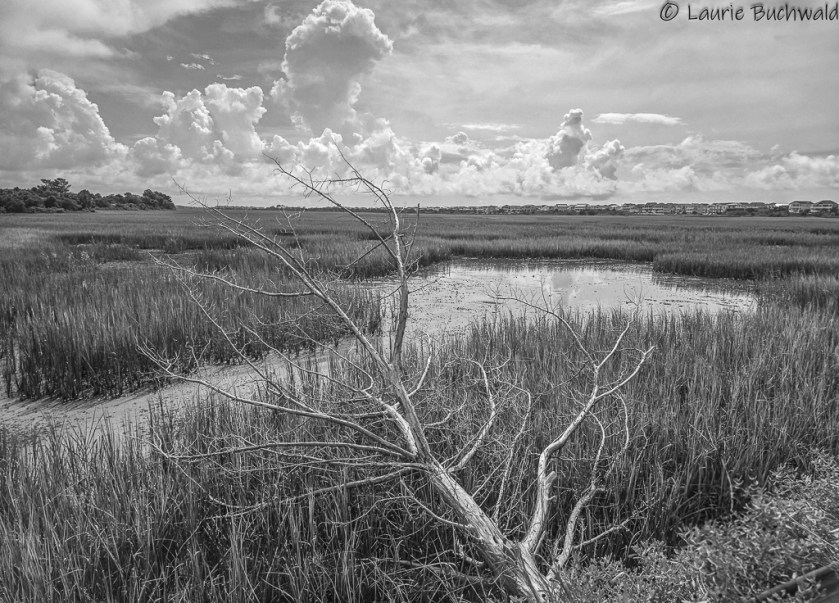
The Intracoastal Waterway (ICW) is a 3000-mile inland water network along the Atlantic and Gulf Coasts of the United States. This image was captured in Ocean Isle, North Carolina

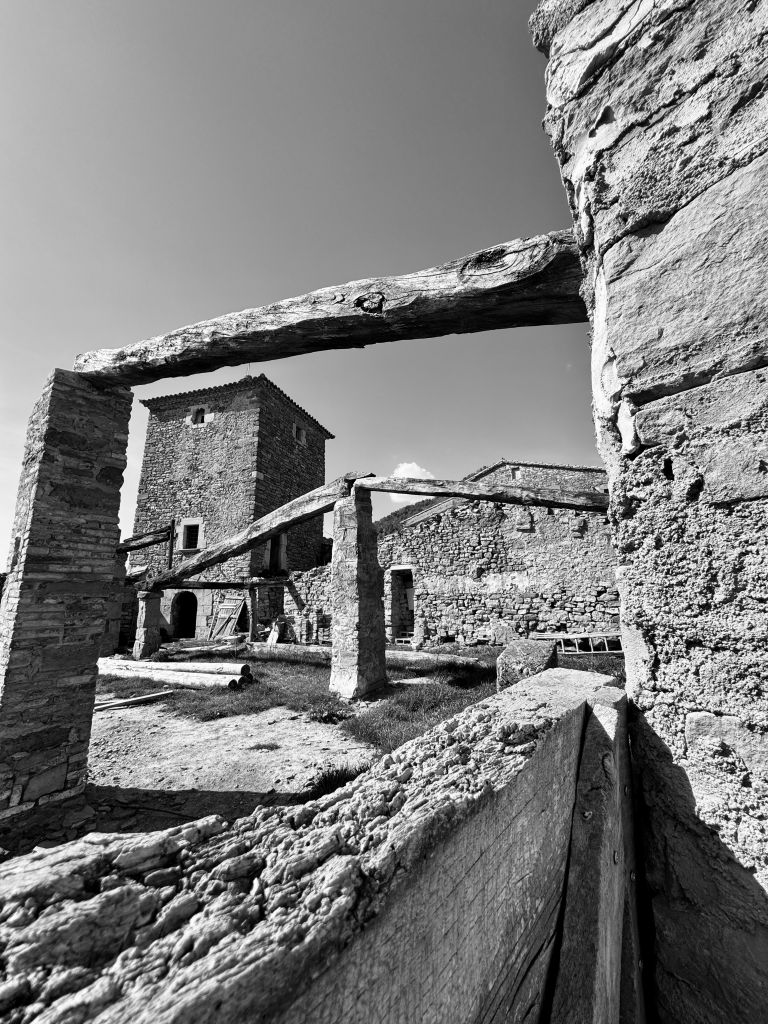
Montblanc, Tarragona, Catalonia

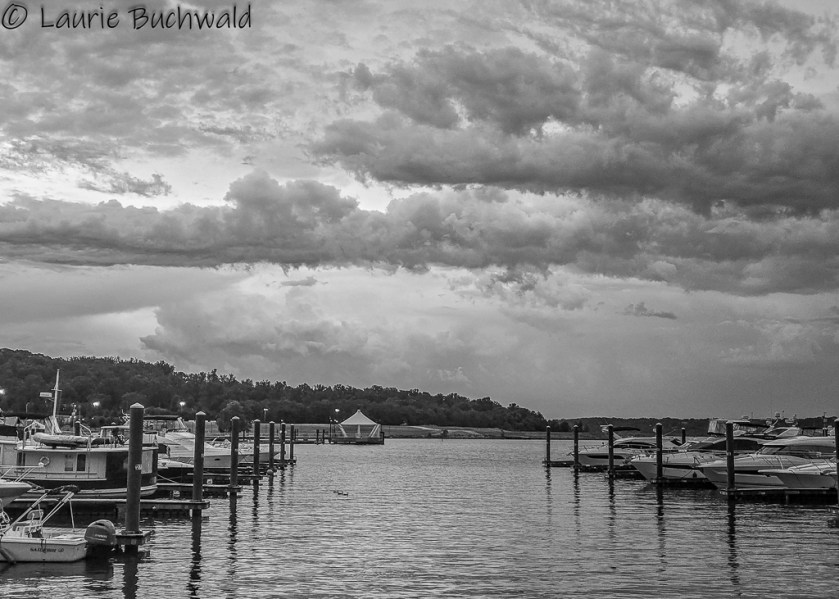
Moià, Barcelona

Taken during a visit to one of Virginia’s 44 State Parks. Broad daylight. We’ve now visited 21 of the 44.
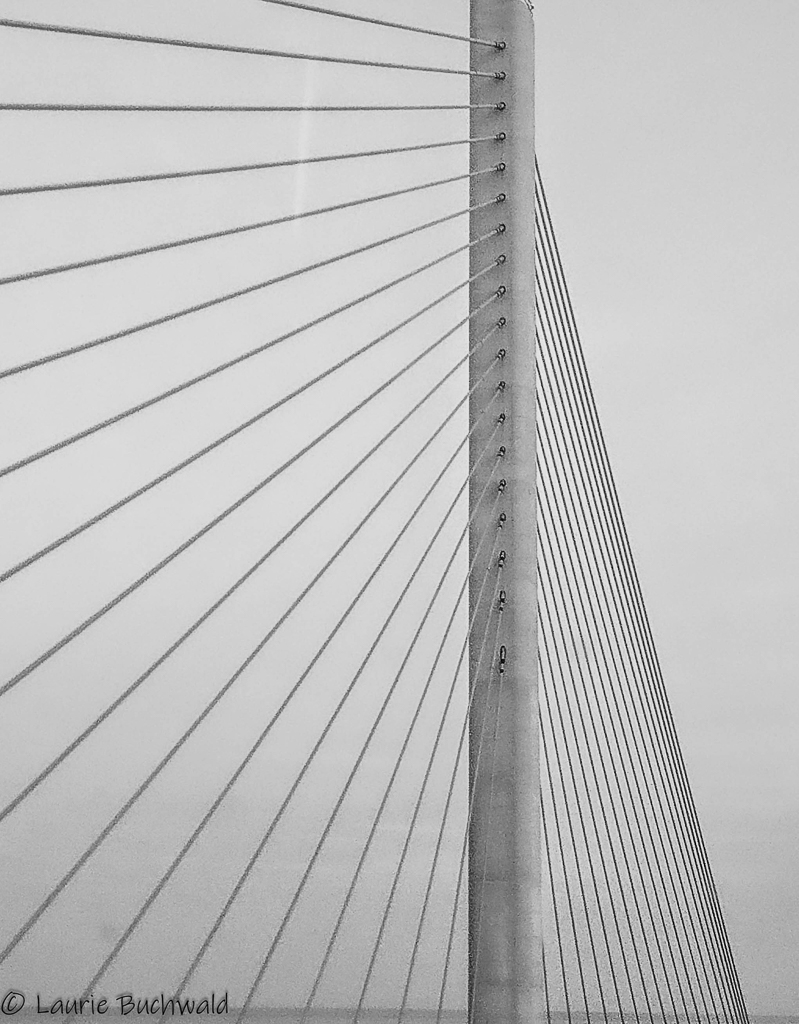
Not too shabby for a cellphone image, taken through the windshield, from a moving car.
To see this image in color, and another as well, PLUS the bridge history, visit Life on the Bike
Captured while walking along the waterfront in Chicago on a rainy day.
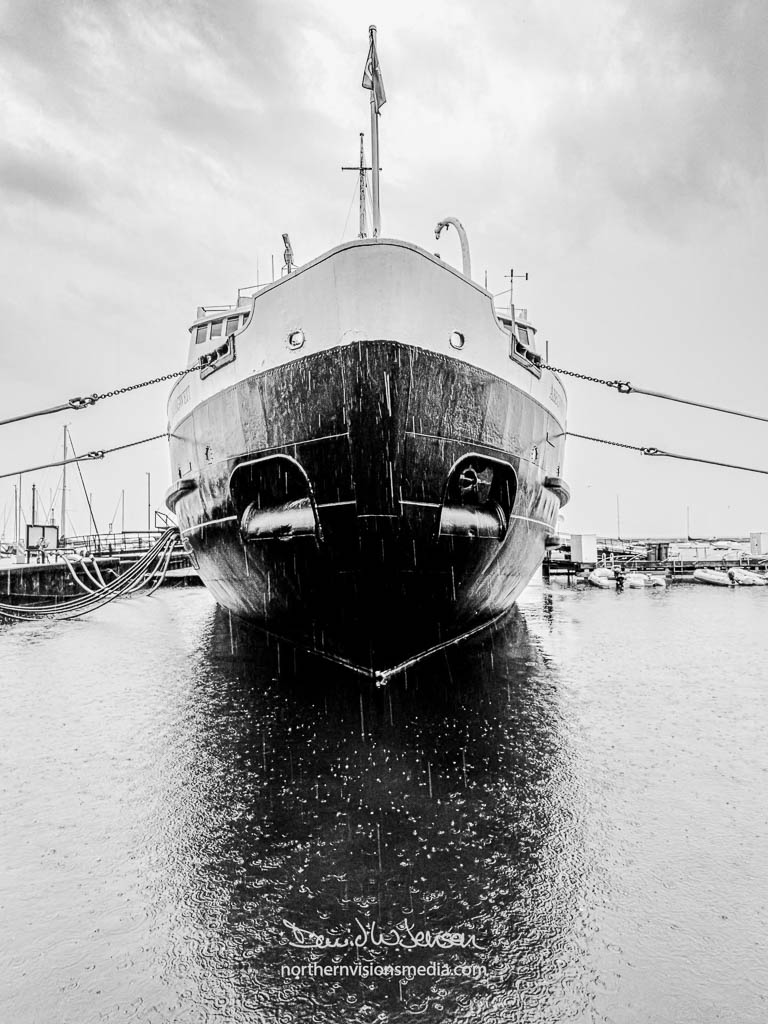
I was carrying a Canon 5D Mk4 that day and it never came out of the bag due to the rain. This was with an iPhone 16 Pro. I also discovered that I need a new rain jacket as my current one did not keep me dry.
More of my photography can be found on my website and my blog.


You must be logged in to post a comment.