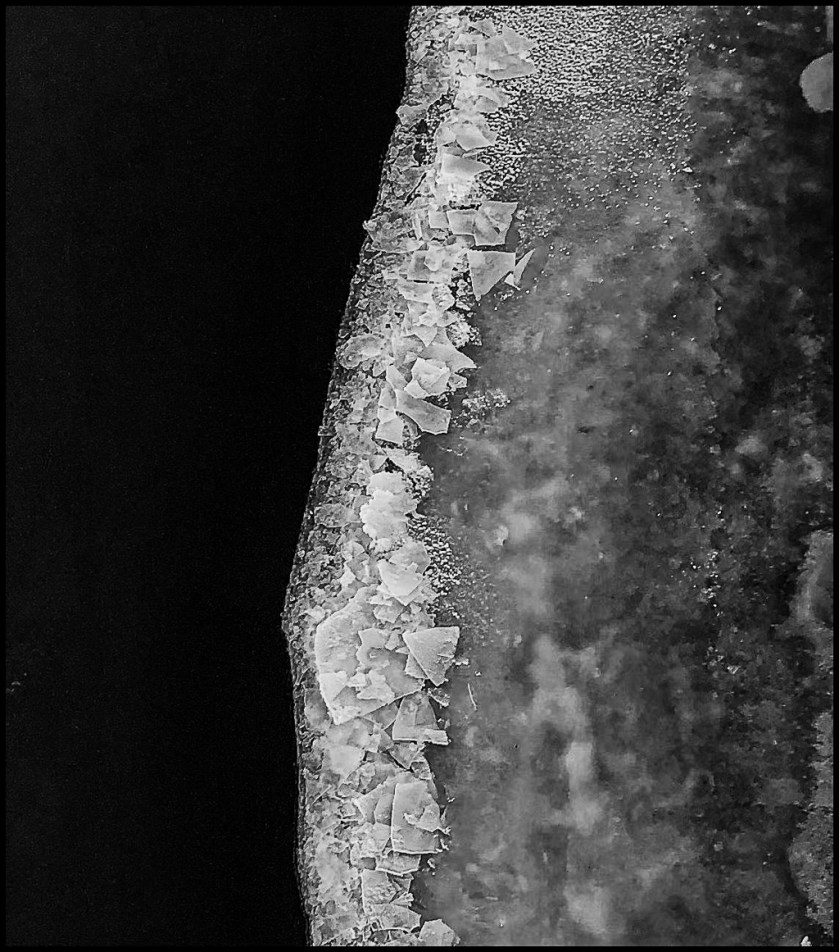
Caught this looking down from a bridge on my Sunday walk.Ice in the river.
iPhone X
Silver Efex Pro II

Caught this looking down from a bridge on my Sunday walk.Ice in the river.
iPhone X
Silver Efex Pro II

Winter Wood © Steven Willard
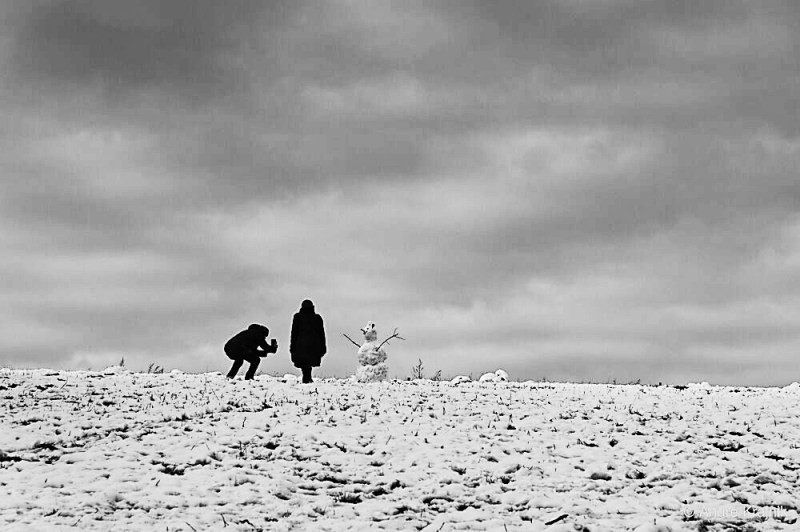
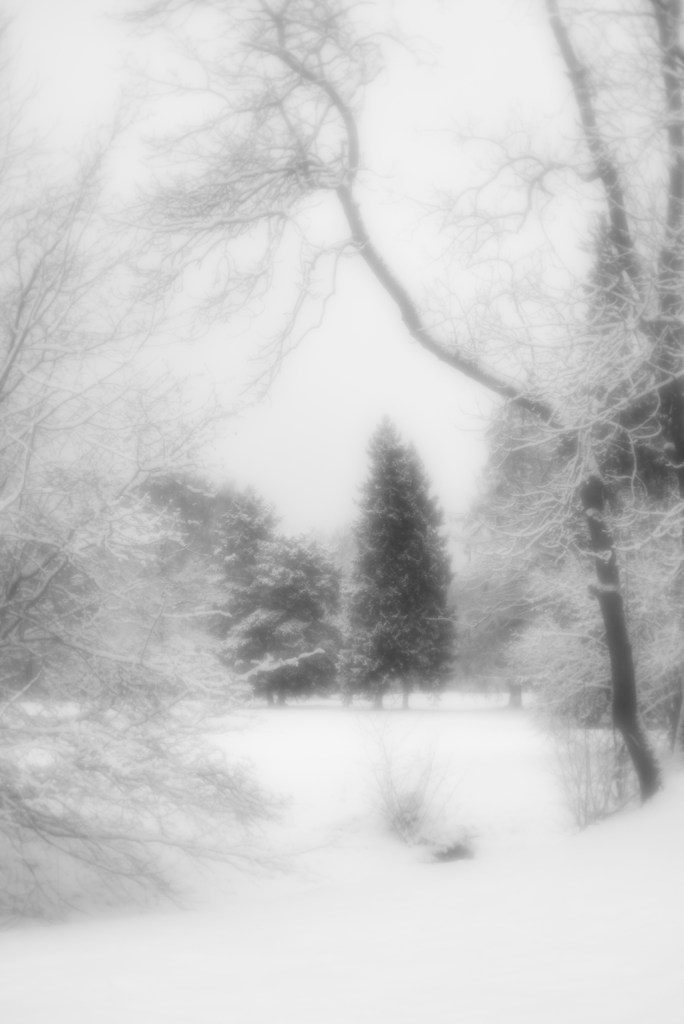
Waiting for the heaviest snows predicted this winter. The trees won’t be bare in the morning.
Olympus EM-5 with Lumix 42.5 f1.7 lens, processed in Snapseed.
Visit my blog to see more of my images. https://stevenwillardimages.wordpress.com
More of my images can be seen on my own blog.
today, 10 years ago
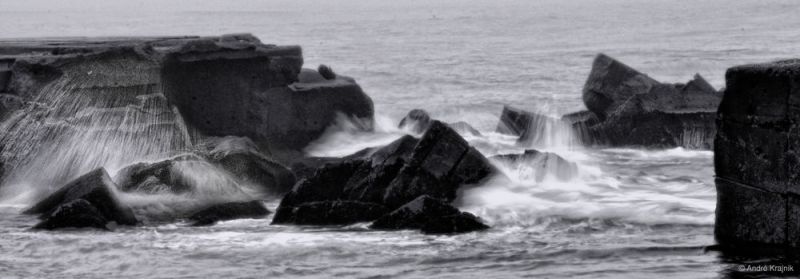
Ten years ago I was on Helgoland for the first time. It’s an island located in the North Sea, quite remote. It takes about 2 hours to sail with the ferry to reach the island. I took this image on the last day of our stay. The next day the ferry has brought us back to the mainland. You can see, a past storm cracked the thick wall of the harbor. Now, the water can play with the remains.
More of my images can be seen on my own blog.
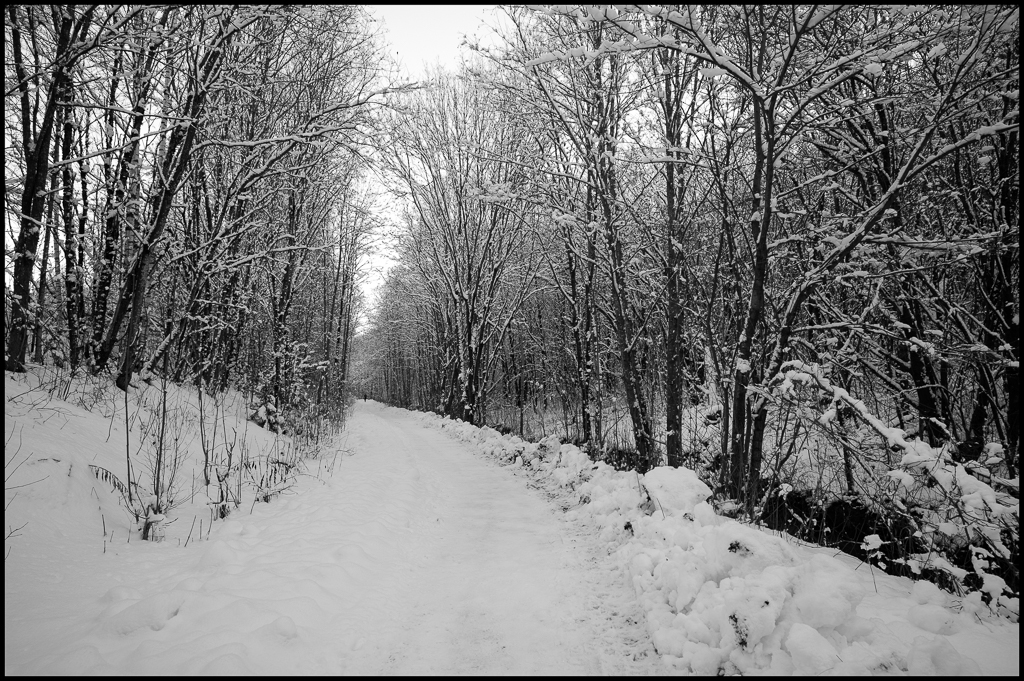
Come join me on my winter walk.
Nikon Z6
Nikon 24-70 Z F/4.0
PP Silver Efex Pro II
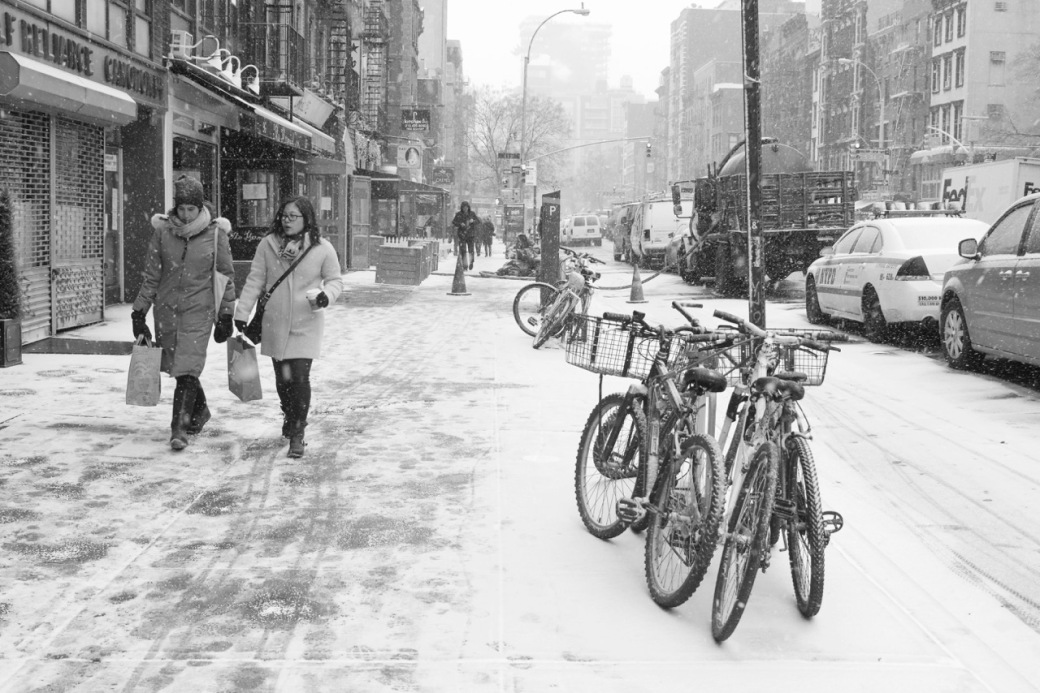
East Village, NYC.
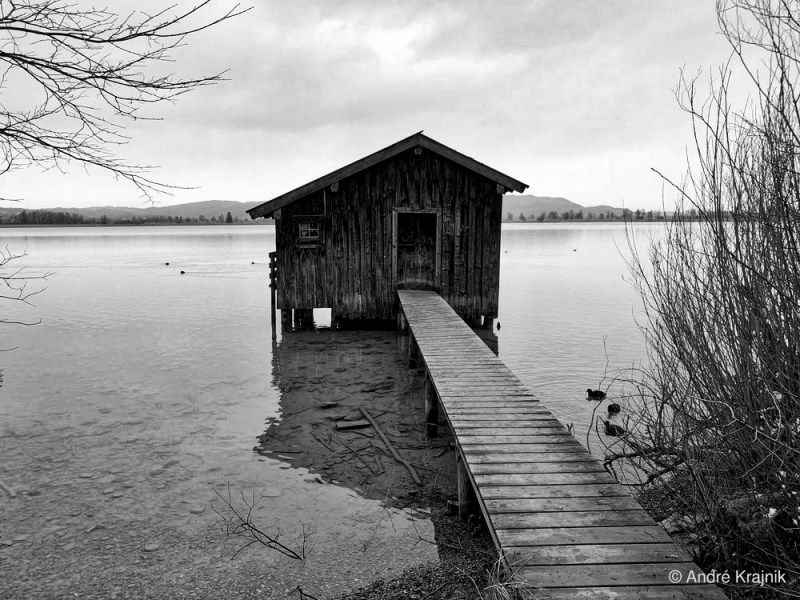
More of my images can be seen on my own blog.
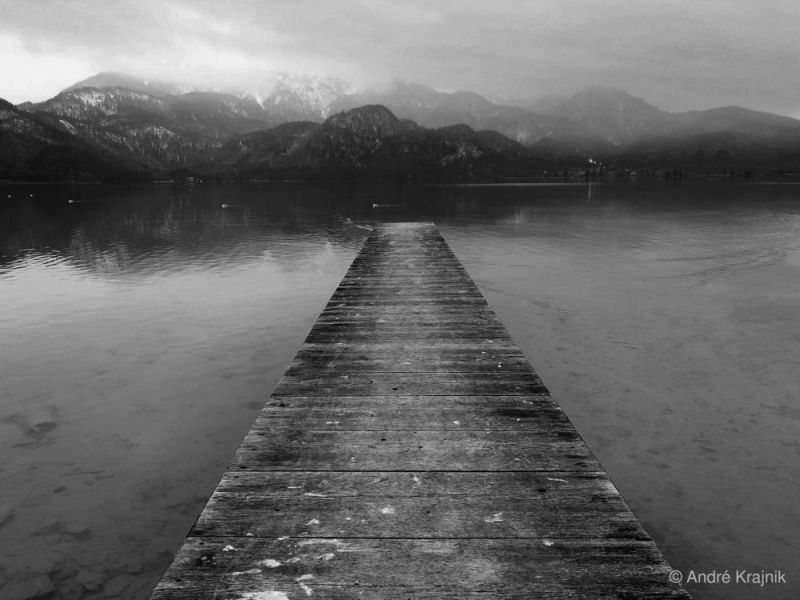
More of my images can be seen on my own blog.

You know, in the past I told you a bit about these nice plants. They are known as Christmas rose, because of their blooming time which starts in about mid-December.
This year, they were blooming the whole winter, and still do. But, in the meantime you can see, they had to pay their tribute to the winter. The blossoms don’t look that nice anymore. There are holes in the pedals and they look dirty and ugly in some parts. That’s why I picked this image from my archive.
This morning (while preparing this post for scheduling) I read an article in a news magazine summing up this past winter. The author wrote, the average temperature in Germany was +3.5°C. A winter without winterly weather. During winter 2006/2007 we even had +4.4°C on average in Germany. In Wikipedia, you can find some statistical data on the average temperature during winter even for the last centuries. So, in the period 1761 to 2017, there was an average temperature of −0,2 °C (1961–1990: 0,2 °C). But, you can also see, that there were some peaks +2,7 °C in 1795/96, +2,3 °C in 1821/22, +2,9 °C in 1833/34 or +2,5 °C in 1868/69. But there were also some negative peaks: −5,0 °C in 1939/40, -3,9 °C in 1941/42, −4,6 °C in 1946/47 or −5,5 °C in 1962/63. You see, varying of average temperatures is normal, but there are some further conditions to consider. How about the amount of rainfall (snowfall) and the physical condition: liquid water drains away quite fast while the snow keeps the soil warm and saves the roots of plants from freezing during icy nights. At the end of the winter the snow cover dews slowly and the soil is able to absorb the water much better to keep it for summer (fill up the groundwater reservoirs).
There are some advantages and many disadvantages. First, plants and animals have more time for growing their descendants (fruits and offsprings). But, vermins also have more time. And, while it is still possible to get some frosty nights ’till April/May, sprouts can grow anew, while blossoms and fruit sets usually can’t be replaced when perished by cold.
More of my images can be seen on my own blog.
 Monochromia
You must be logged in to post a comment.