Loreley

Andre, Black And White Photography, Photography

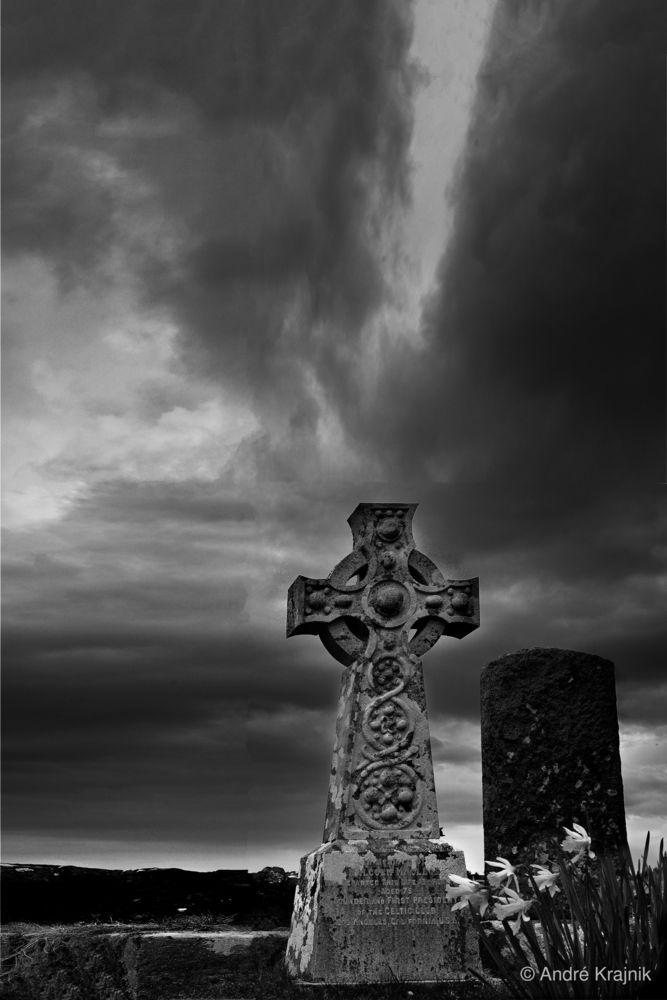
Today, I’d like to introduce you to Loreley.

For centuries, the river Rhine was used to transport people and goods, but also for fishing. While many parts of the river don’t bear high risks for the boats, some do. Some places are even more risky than others. So it is with the Lorely rock. Many ships were wrecked here. So, a myth about a fairy shaped like a pretty young woman with golden hair appeared. The legend says she was sitting above the river combing her golden hair and distracting the boatsmen to avoid paying the necessary attention to their boats and the river.

You can go there and visit her. A big parking ground allows you to visit an easily accessible platform about 200 meters above the river and enjoy the sight along the river and the view of the valley. It’s really impressive. That part of the river and the surrounding valley is the blueprint for many, many model railway landscapes.

Extra hint: If Loreley is not there, when you go to visit her, her comb is and you’re allowed to use it to take care of your own hair.

More of my images can be seen on my own blog.

Mouse Tower in Bingen

Andre, Black And White Photography, Photography

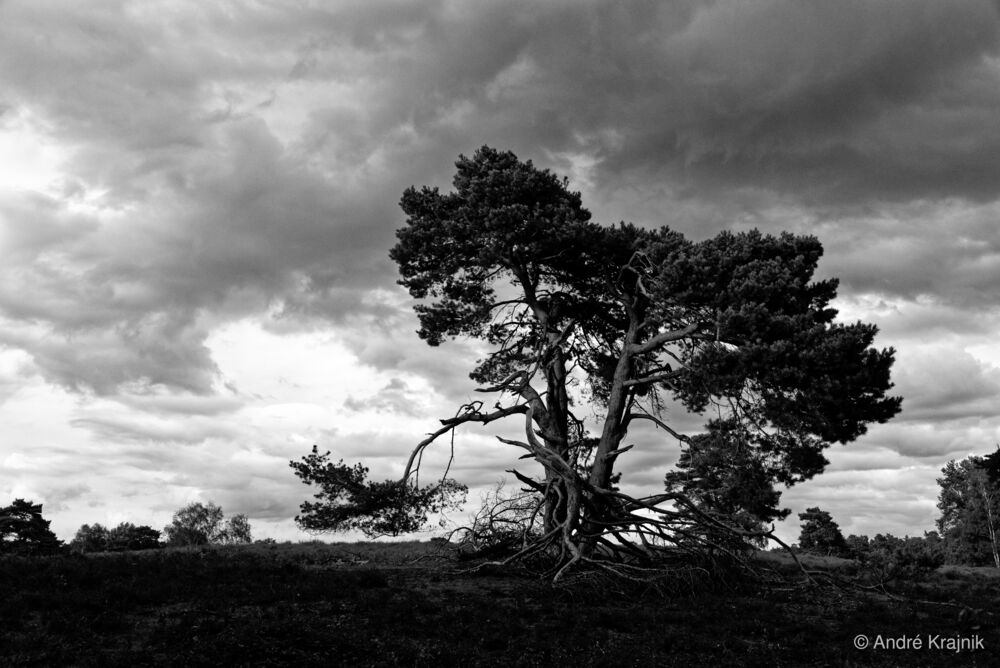
The tower, you can see in the image, is the Mäuseturm. In English, the tower is called Mouse Tower, but literally translated it should be called Mice Tower because the German word ‘Mäuse’ is the plural of “Maus” (= mouse). It’s a former guard and customs tower. It’s located on a tiny island in the middle of the river Rhine close to the town of Bingen.

There’s also a legend about it: (excerpt from the German Wikipedia, then translated)

In the 10th century, Archbishop Hatto reigned in Mainz, a hard and miserly man who preferred to stretch out his hand in blessing than in giving alms. His barn full of corn and the treasury full of gold were not enough. He ruthlessly blackmailed his subjects. When famine broke out, many died miserably. Many gathered around the episcopal castle, where they cried out for bread. Hatto denied them and scolded them a tiresome, useless people.
When the hungry didn’t leave, Hatto had them arrested. He locked men, women, old people and children in an old barn and set it on fire. A horrible scream came from the high blazing flames. But Hatto scoffed: “Listen, the mice are whistling.”
As soon as he said it, a huge flock of mice spilled out of the barn and swarmed towards the bishop’s palace. Hatto had to flee head over heels. Wherever he ran; Out of Mainz and through many lands, the mouse-grey flood followed him like a train. When the bishop himself was emaciated and hollow-cheeked from worry and need, like the starving people in front of his castle, he fled to a small Rhine island near Bingen and had a bed hanging from chains attached to the high tower up there. There he crawled into his bed. A few days later, when the flock of mice had gone again and disappeared without a trace, the skeleton of the bishop was found in the tower. The mice had eaten him alive. Since then, Hatto has often been seen as an uncertain hovering foggy figure at night by the tower which to this day is called the “Mouse Tower”…

In German, the word mouse (especially in plural) is colloquial and somewhat connected to money, in my understanding similar to the word “buck” as a synonym for Dollar. Wikipedia wrote this name was already mentioned for the tower back in 1516 and in 1638 the name was written as “Meuß-Thurm”. Thus, the etymologists are quite sure, the origin for “Mäuse” is a derived form of an old word for tax/customs/toll, but also for peek and lurk.

More of my images can be seen on my own blog.