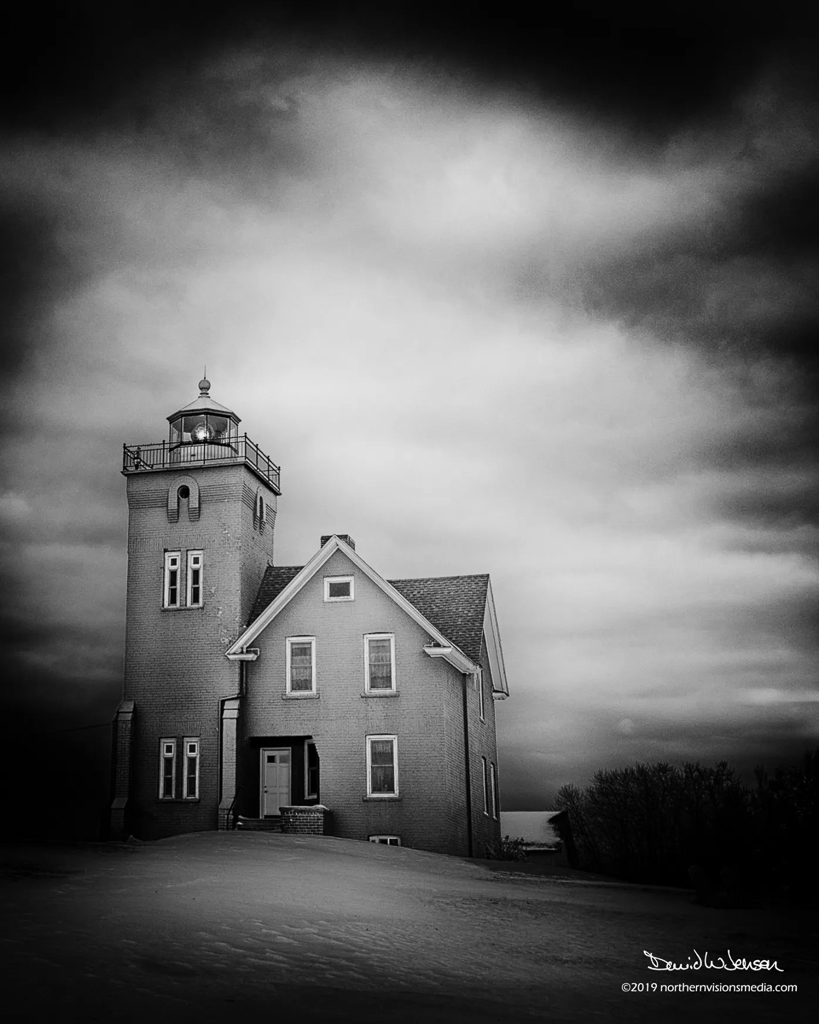
A shot from the past, 2019, of the lighthouse in Two Harbors, MN. This was originally shot on film with my Nikon FM.
More of my photography can be found on my website and my blog.

A shot from the past, 2019, of the lighthouse in Two Harbors, MN. This was originally shot on film with my Nikon FM.
More of my photography can be found on my website and my blog.
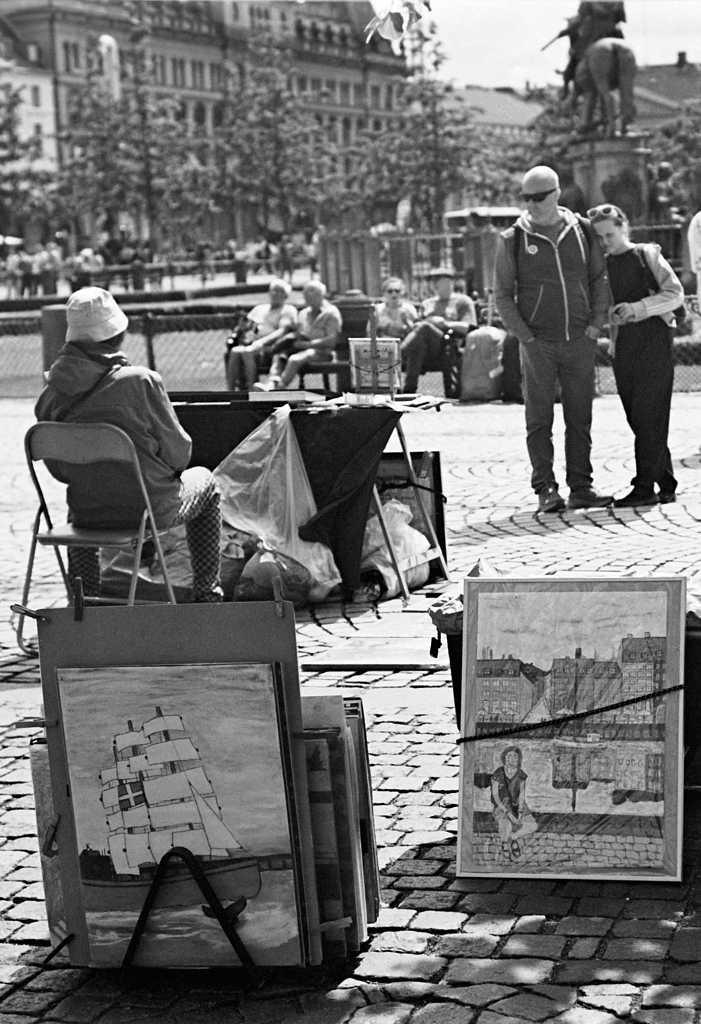
A couple trying to decide if they were going to buy a painting in the street market in Copenhagen.
Nikon F5
Nikon Nikkor 50mm f/1.8D
Rollei Retro 100
Caffenol for 12mins
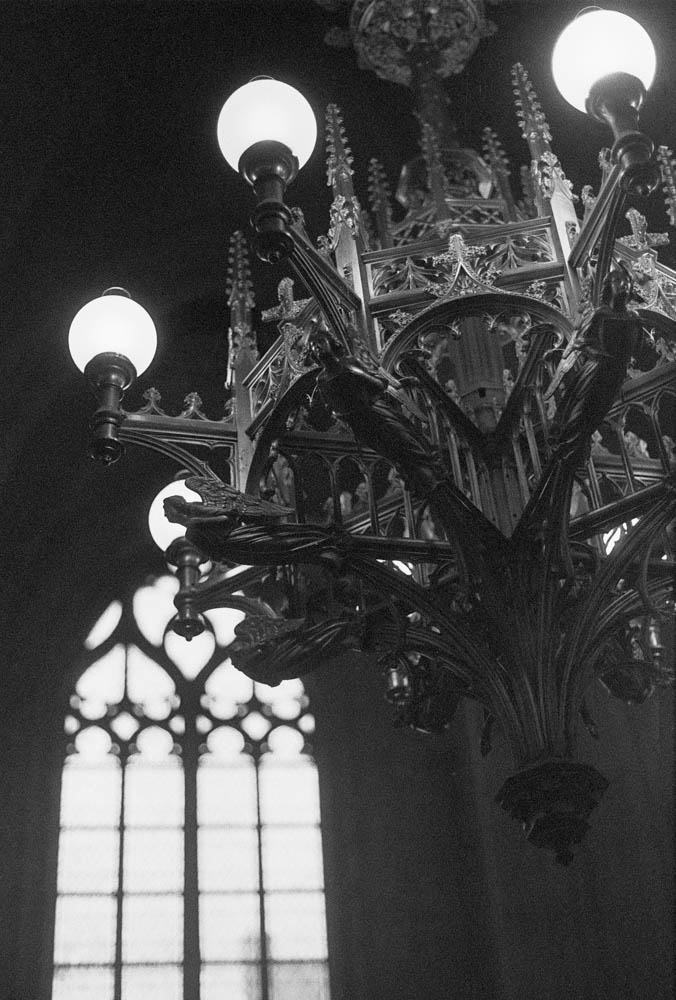
One of my first photos inside the cathedral since the 2019 fire…
Shot on the Nikon FE with Ilford HP5+ inside Nantes Cathedral — a space that rewards patience. The high vaulted ceilings and narrow stained windows create pools of dramatic contrast that HP5+ handles beautifully at box speed. The challenge is managing the exposure gap between illuminated stonework and deep shadows; letting the highlights roll off rather than forcing them gives the image its weight. See the full article: Waiting for the Light: Reclaiming the Cathedral with Ilford HP5+ on IJM Photography.
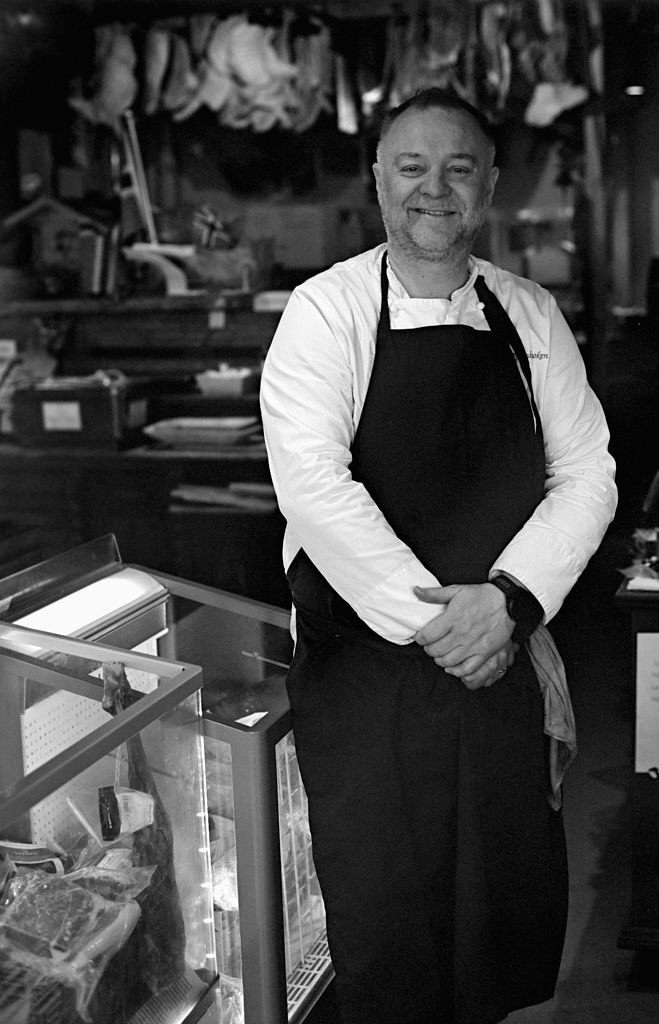
Down in the harbour area in Oslo there is a little restaurant called Fenaknoken that specialises in cured meat and smoked fish etc. Their smoked salmon is some of the best I’ve ever tasted. The restaurant itself is a place where you write your name on the tables just to let others know you’ve been there. The father sold the restaurant to his son (Pictured here) but still works for his son serving and greeting customers.
Nikon F5
Nikon Nikkor 50mm f/1.8D
Rollei Retro 80s
Caffenol C-M 12mins @20C
Scanned with Nikon Z8 and 105mm Macro
PP Capture One.
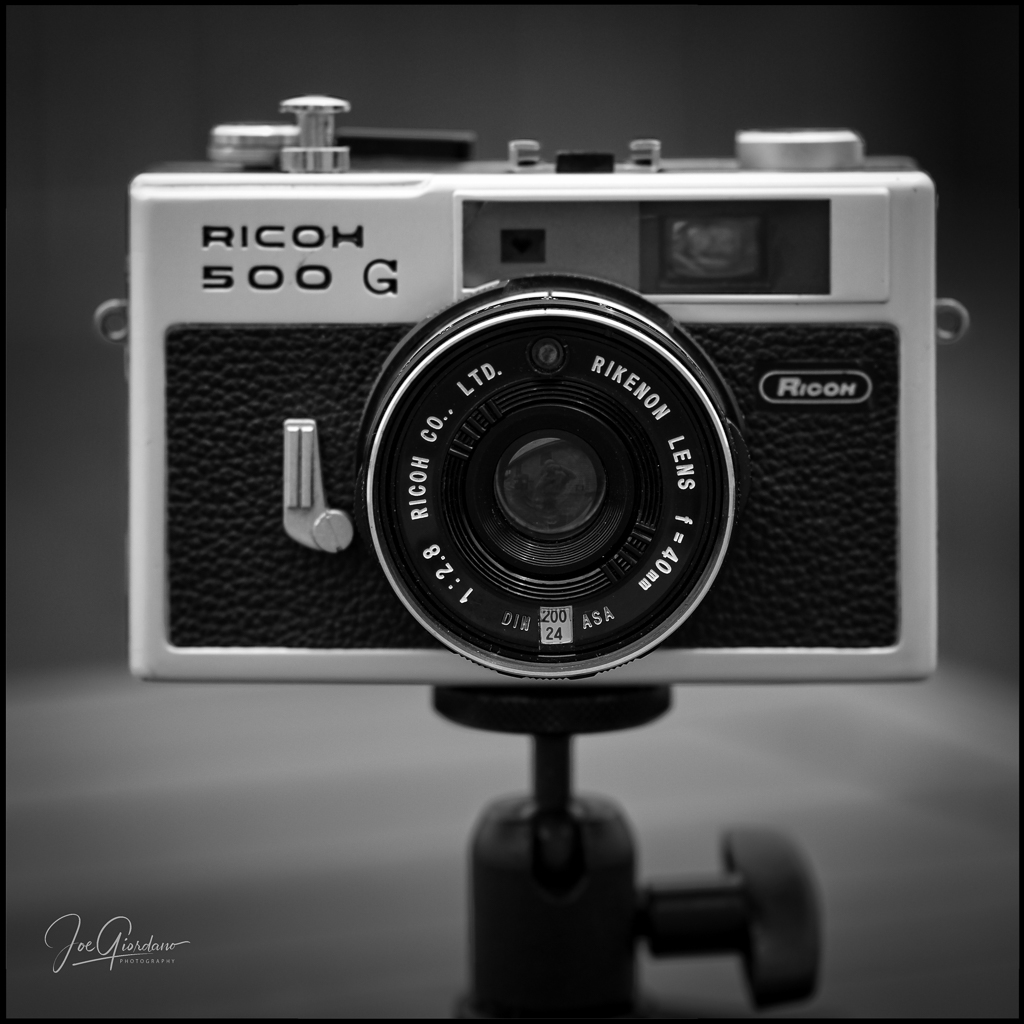 Image was taken with a Fujifilm X-E5 and XF 50mm f/2.0 lens
This camera is sort of a dark horse in the world of 1970’s rangefinder cameras. The Ricoh 500 G is a totally mechanical camera that uses a button battery to power the light meter. The camera can also be used in shutter priority mode by placing the aperture ring in the “A” position. The really nice thing about this camera vs the previous Canon rangefinders I have posted about is that the light meter stays active in shutter priority mode and also in manual mode. On the Canon rangefinders the light meter is only active in shutter priority mode. In order to shoot in manual mode with the Canon’s you must first memorize your light meter reading while the camera is in shutter priority mode then switch to manual a make your adjustments accordingly. The Ricoh has a tack sharp 40mm f/2.8 lens. The Canon’s seem to have a more robust build quality also IMHO. For example when you open the back of the Ricoh the door feels a little flimsy compared to the Canon’s. The controls on the Ricoh are precise but you really must have small hands to work them. The focusing ring is an exception because it’s on the front of the lens barrel so it feels like you are focusing an SLR camera rather than reaching for a lever towards the rear of the lens like the Canon’s.
Now let’s talk about what I had to do to get this camera ready to load some film. As usual the light seals were crumbling and had to be replaced. The seals on this camera are fairly basic so I cut my own out of a sheet of 1.0 mm light seal foam. That job went relatively smooth except for removing the previous adhesive. I usually use 99% isopropyl alcohol and Q-tips to saturate old light seals and let them sit for about 15 minutes. This usually results in making the adhesive removal a fairly quick job. Not so with this camera. I don’t know what kind of adhesive the previous technician used when they replaced the light seals but I almost was tempted to use a pneumatic jack hammer to remove it. After soaking and scraping multiple times the camera door was ready for the new light seals. Surprisingly the shutter and aperture blades were clean and working properly so all I had to do was clean the front and rear lens elements. Next up on the agenda was to clean the rangefinder and I purposely left this step for last because unlike the Canon’s where the top skin of the camera has to be removed to access the rangefinder the Ricoh is assembled like an ice cream sandwich and the front of the camera had to be removed to then remove the top to access the rangefinder. After a little head scratching to try and figure out the most efficient way to take this camera apart it was obvious I had to peel back the faux leather to access some screws and remove a few of the rings around the lens to get the job done. After that it was time to re-assemble everything and the finished product is displayed above. Now up for sale she goes.
To view this image in color please click – here
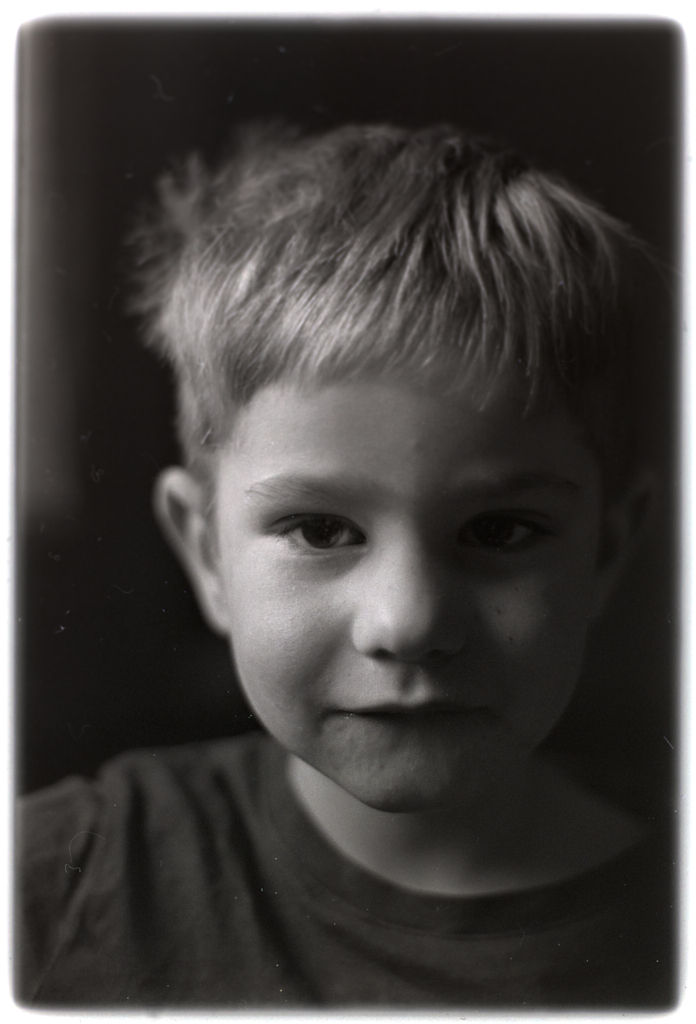
William
Nikon F4s Nikon Nikkor 50mm f/1.8D
Rollei Retro100asa
Caffenol-CM (That’s coffee and washing crystals and some vitamin C) for 12 mins.
Scanned with a Nikon Z8 and Nikon NikkorZ 105mm macro lens using a Lomography negative holder.
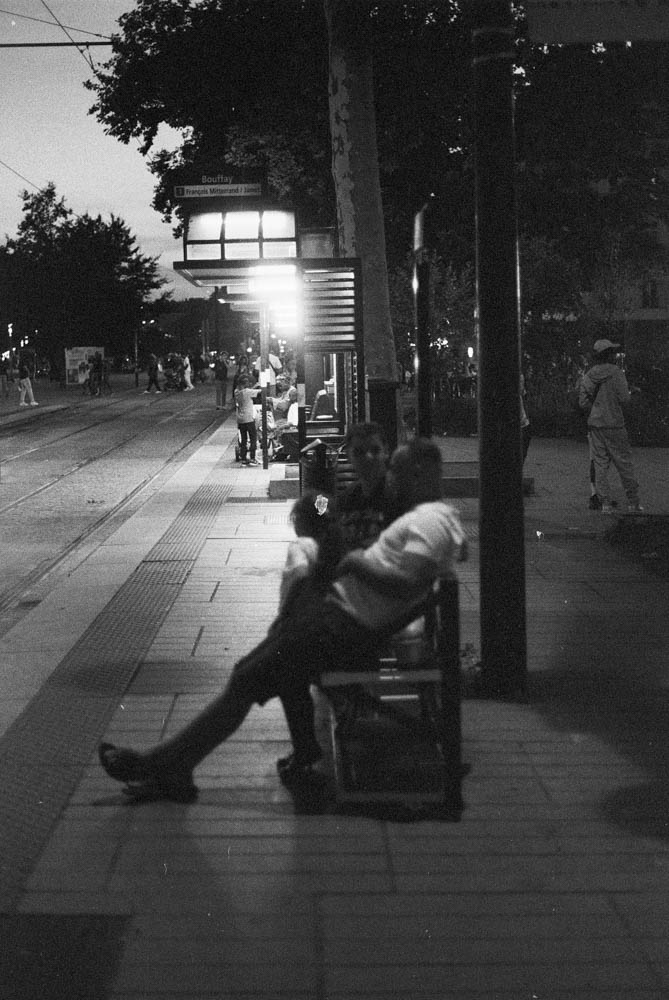
Nikon FE HP5
Night street photography in Nantes with the Nikon FE and HP5+. City light at night is far more generous than it looks — tram lines, shop fronts, and street lamps all contribute. HP5+ responds well to the longer exposures these conditions demand, and the grain that comes with it is an asset rather than a problem, adding texture to the empty platform and the trailing lights. See the full article: More Light Than We Imagine on IJM Photography.
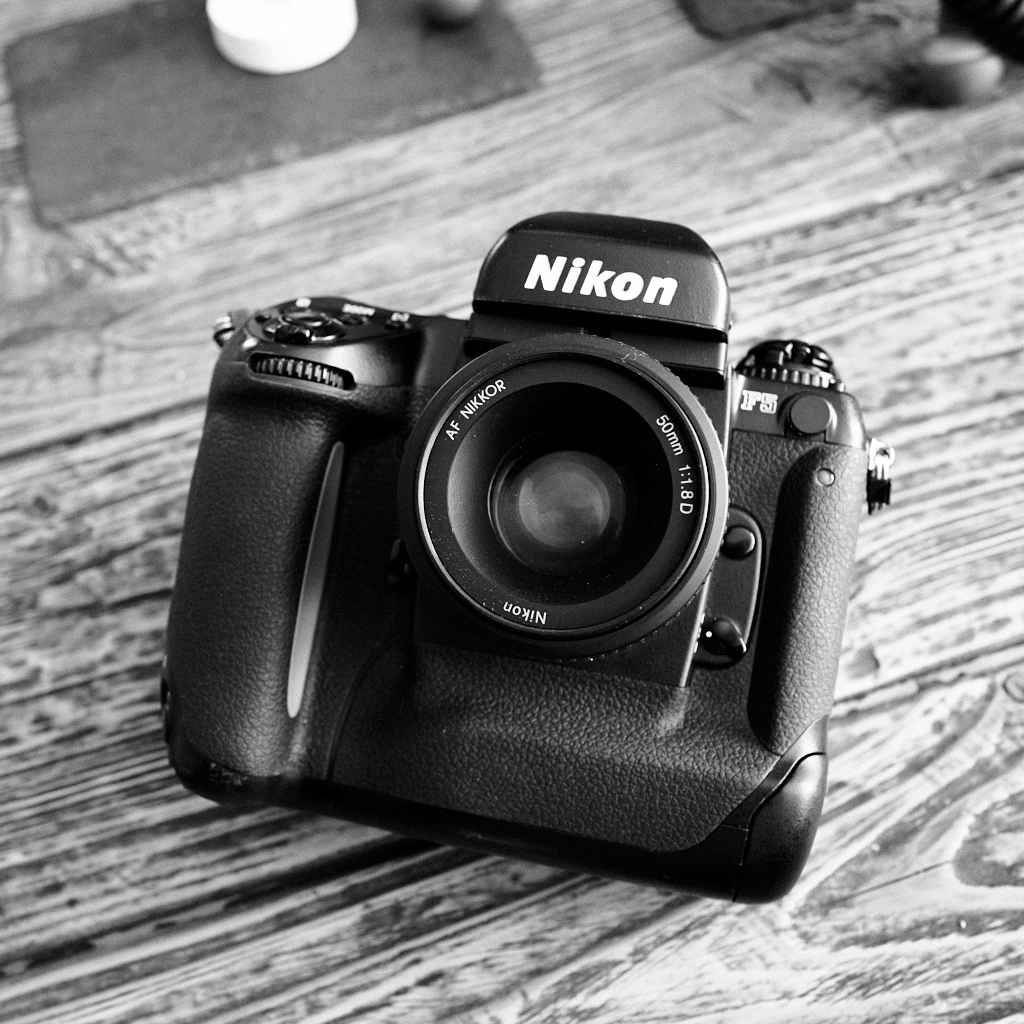
I’m not talking about the price of petrol or diesel. I got a bad GAS (Gear Acquisition Syndrome) attack the other day and couldn’t resist the call of this little, but heavy beauty. The WAF was low but I could work with it. Yes it’s another film camera kind of out of date like me. However I have so much film to use up I think this will help a little with that. What’s the WAF I hear you ask… Wife acceptance factor. See you next week when the bruises have gone.

NIkon FE HP5
A Clisson afternoon with the Nikon FE and HP5+. The medieval town’s light — diffused through narrow streets and stone archways — is exactly what HP5+ is calibrated for. The grain structure stays tight in the midtones, giving faces and surfaces real presence. Working at wider apertures keeps the shutter speed honest while pulling the subject cleanly from the background. See the full article: Clisson — A Guilty Pleasure on IJM Photography.
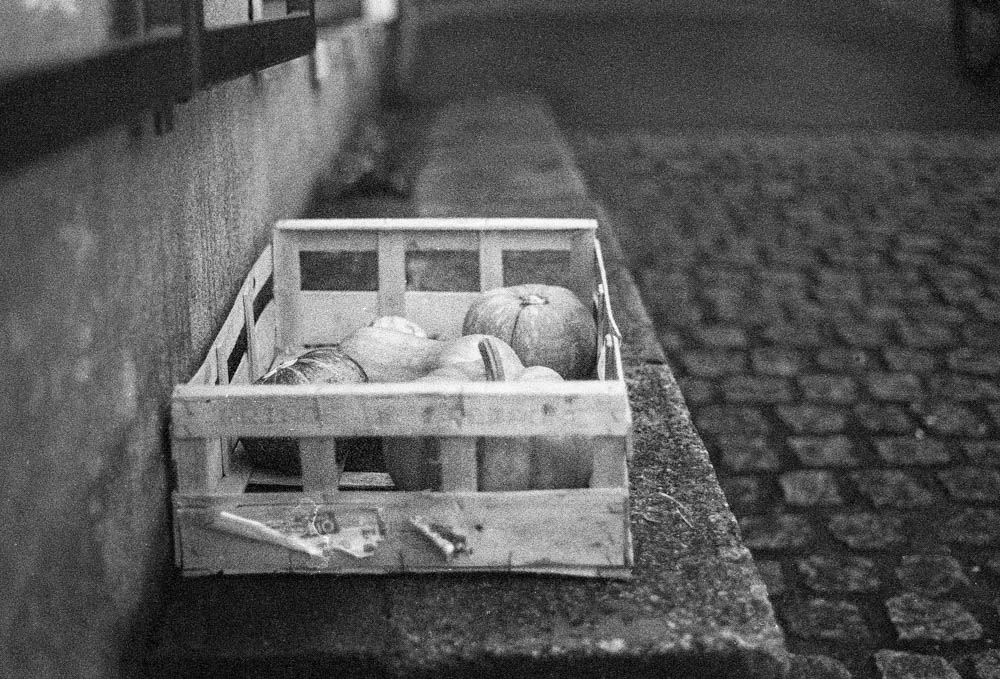
Nikon FE with Tri X stopped right down. Sometimes you just need some grain.
Nikon FE with Kodak Tri-X, shot stopped right down in Clisson — because sometimes you want grain, not despite it. Tri-X at box speed with a small aperture gives a dense, deliberate quality; the grain structure is coarser than HP5+ and reacts differently to flat light, producing a heavier, more graphic rendering. The basket’s weave becomes an exercise in tonal compression — light and shadow reduced to simple geometric shapes. See the full article: The HP5 Plus 100 ASA Experiment: A Happy Accident? on IJM Photography.


You must be logged in to post a comment.