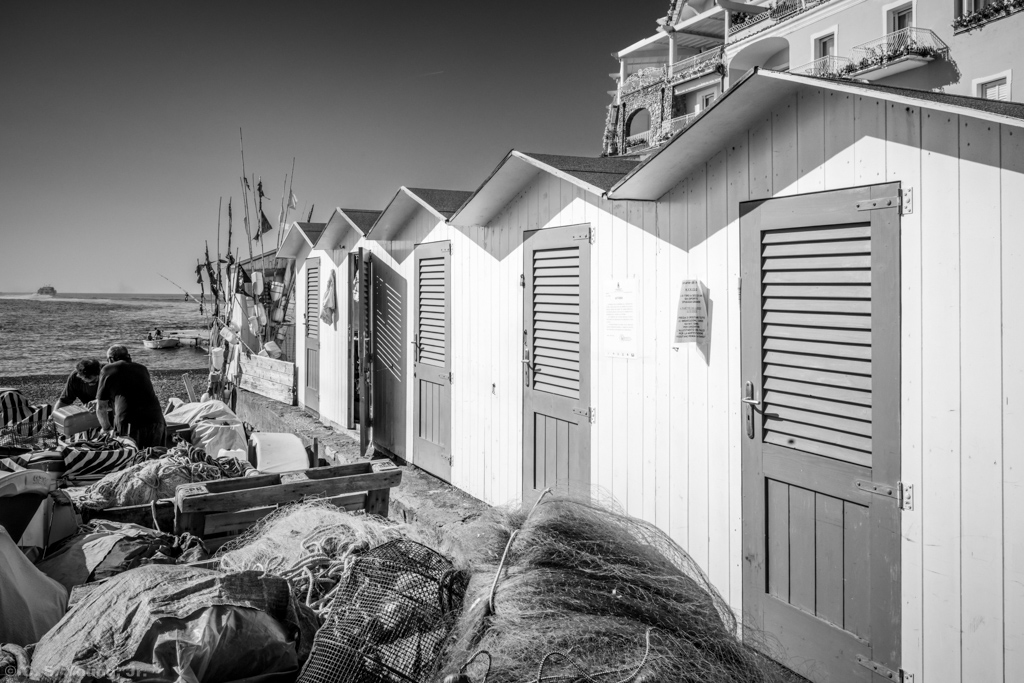
Marina Grande Beach is the largest beach in Positano along the Amalfi Coast in Italy.

Marina Grande Beach is the largest beach in Positano along the Amalfi Coast in Italy.
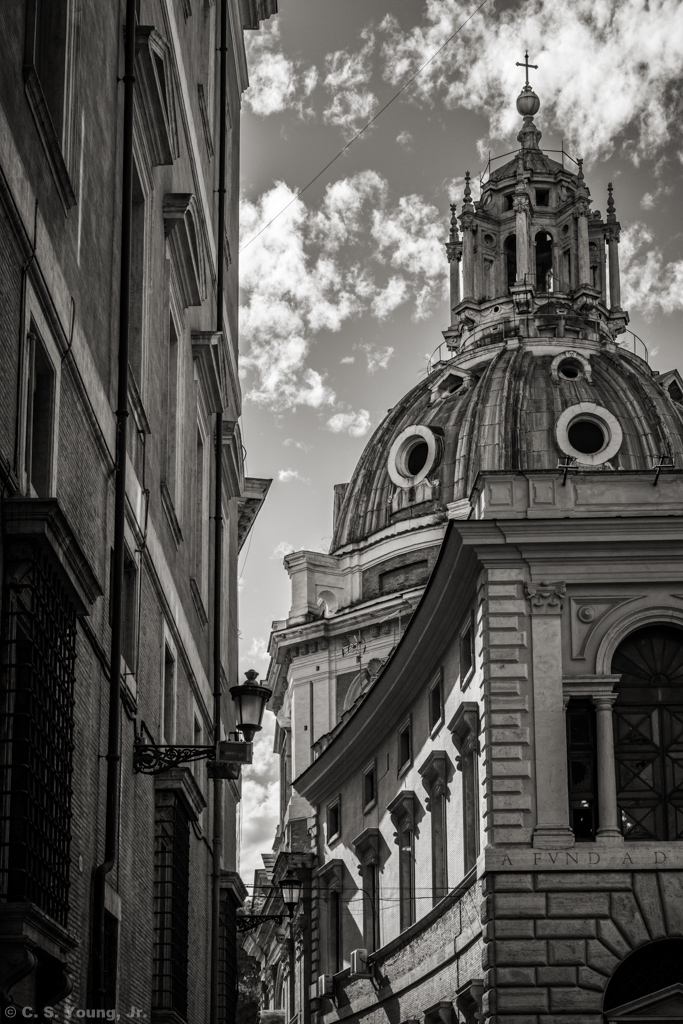
Rear ally view of Santa Maria di Loreto (Saint Mary of Loreto), from Via dei Fornari in Rome, Italy.

Cefalù, Sicily, Italy
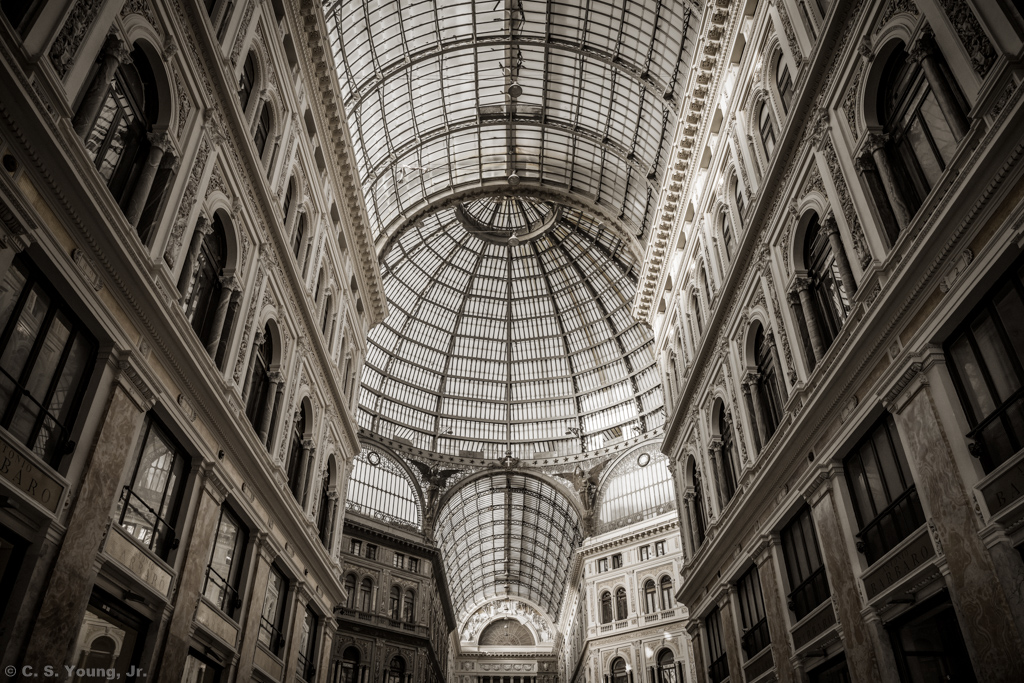
This is the my second composition from the Galleria Umberto I in Naples, Italy. See my dome composition here.
Cheers,
C. S.
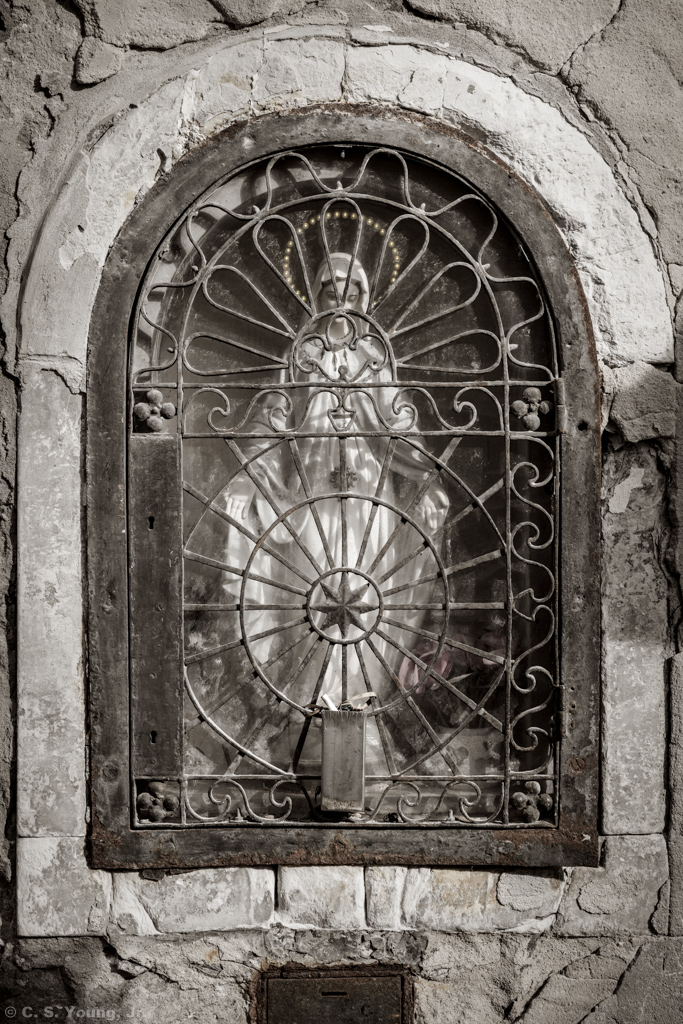
Small roadside shrines are a recurring theme in the Italian cityscape. During my visit to Venice, several of these caught my eye. My research revealed there are hundreds of these Catholic shrines in a wide variety of places and different building materials including wood, metal, plaster, or carved into stone. The shrines are dedicated to the saints, this one to the Our Lady, Star of the Sea.
The Catholic Encyclopedia references the title ‘Mary, Star of the Sea’ originating from St. Jerome’s fifth century translation of Mary’s Hebrew name Miryam, meaning ‘drop of the sea’, into Latin ‘Stilla Maris’ which later became Stella Maris, likely from peasant dialect. Like the North Star, Mary, Star of the Sea provided spiritual comfort to Middle Age sailors during stormy seas.
St. Bernard of Clarvaux so beautifully wrote,
“If the winds of temptation arise; If you are driven upon the rocks of tribulation look to the star, call on Mary; If you are tossed upon the waves of pride, of ambition, of envy, of rivalry, look to the star, call on Mary. Should anger, or avarice, or fleshly desire violently assail the frail vessel of your soul, look at the star, call upon Mary.”
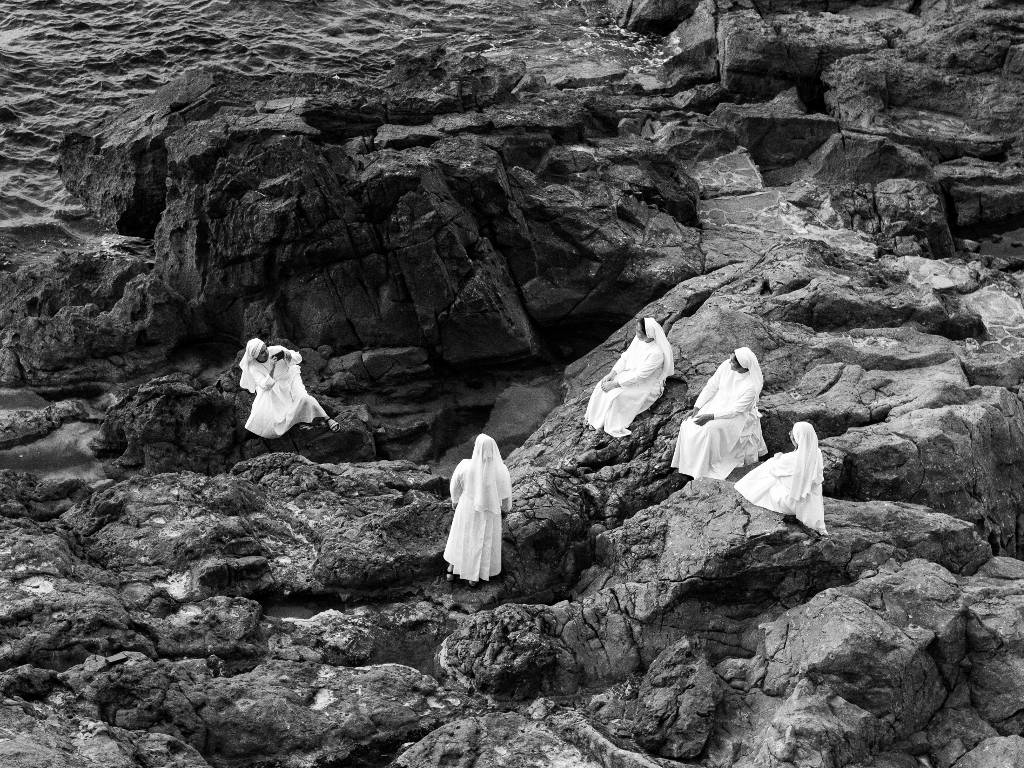
Cefalù, Sicily, Italy
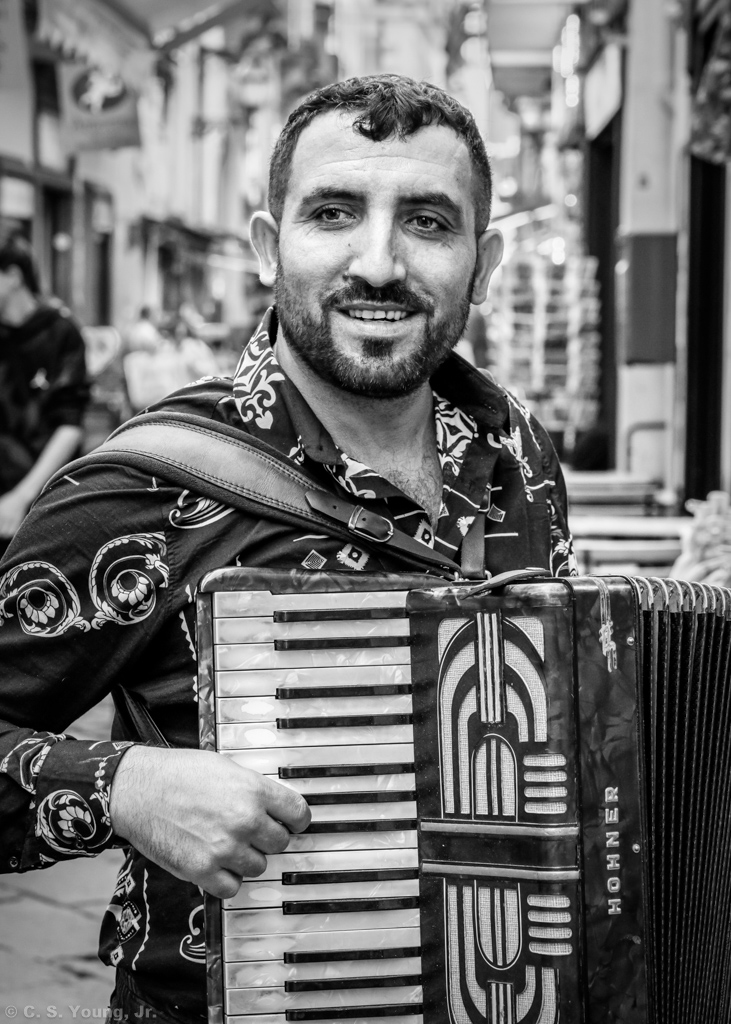
This charming Sorrento accordion street performer serenaded us while shopping for Limoncello in the street markets on Via S. Cesareoin in Sorento, Italy.
Merry Christmas and Happy Holidays!
C. S.
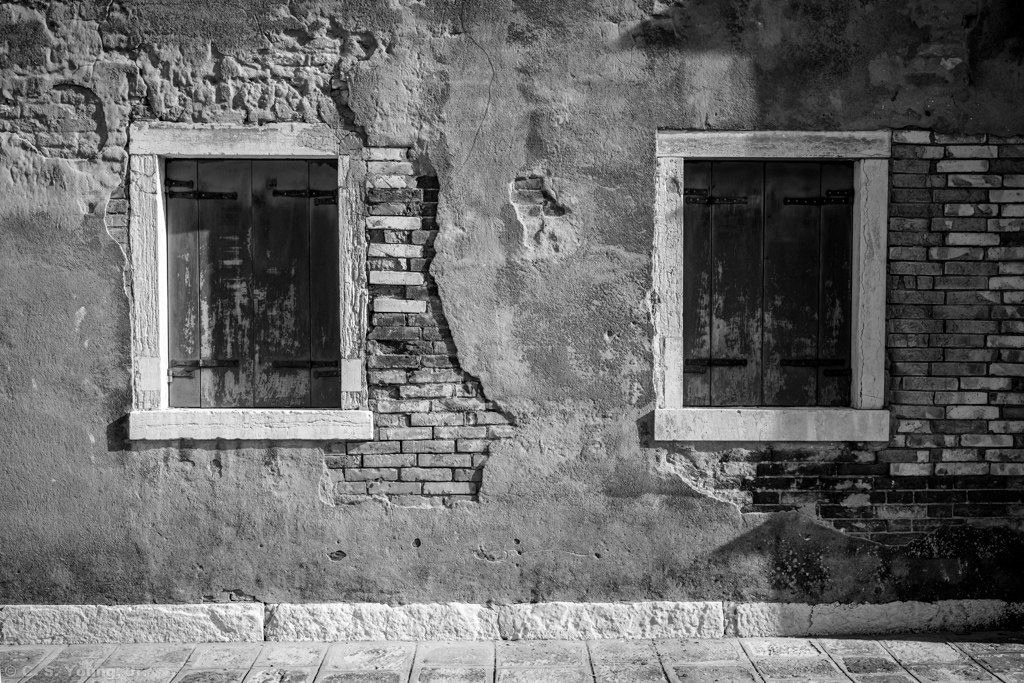
The interesting shapes and textures of this façade are from the Oratorio Ex ospizio Briati Catholic church on Calle Bressagio street in Murano, Italy. For the best viewing experience, click on the image to view a high-resolution version.
Cheers,
C. S.

Located in the Piazza Venezia or Venice Square in Rome, the Palazzo Venezia building was commissioned by the Venetian Cardinal Pietro Barbo, who later became Pope Paul II. The building was designed by the architect Francesco del Borgo. He started its construction in 1455. At that time Palazzo Venezia served as Embassy of the Republic of Venice, and was used by the Austrian ambassador. The Italian government took over the palace during the First World War. Today Palazzo Venezia is a museum of Medieval and Renaissance art, Museo di Palazzo.
Cheers,
C. S.

Pianist preforming on the Piazza di Spagna (Spanish Square) in Rome, Italy.


You must be logged in to post a comment.